
Late updated: 29 Dec 2025 08:12
Written by: Emily Thornton
The Role Of Native Trees In UK Ecosystems: Enhancing Biodiversity
Native trees are an essential cornerstone of the UK's ecosystems, providing not only beauty but a critical function in maintaining ecological balance. They serve as habitats, food sources, and protection for countless species, ensuring biodiversity thrives. As we've seen, the influence of native trees extends beyond biodiversity; they play a significant role in combating climate change too, by sequestering carbon and stabilising the environment.
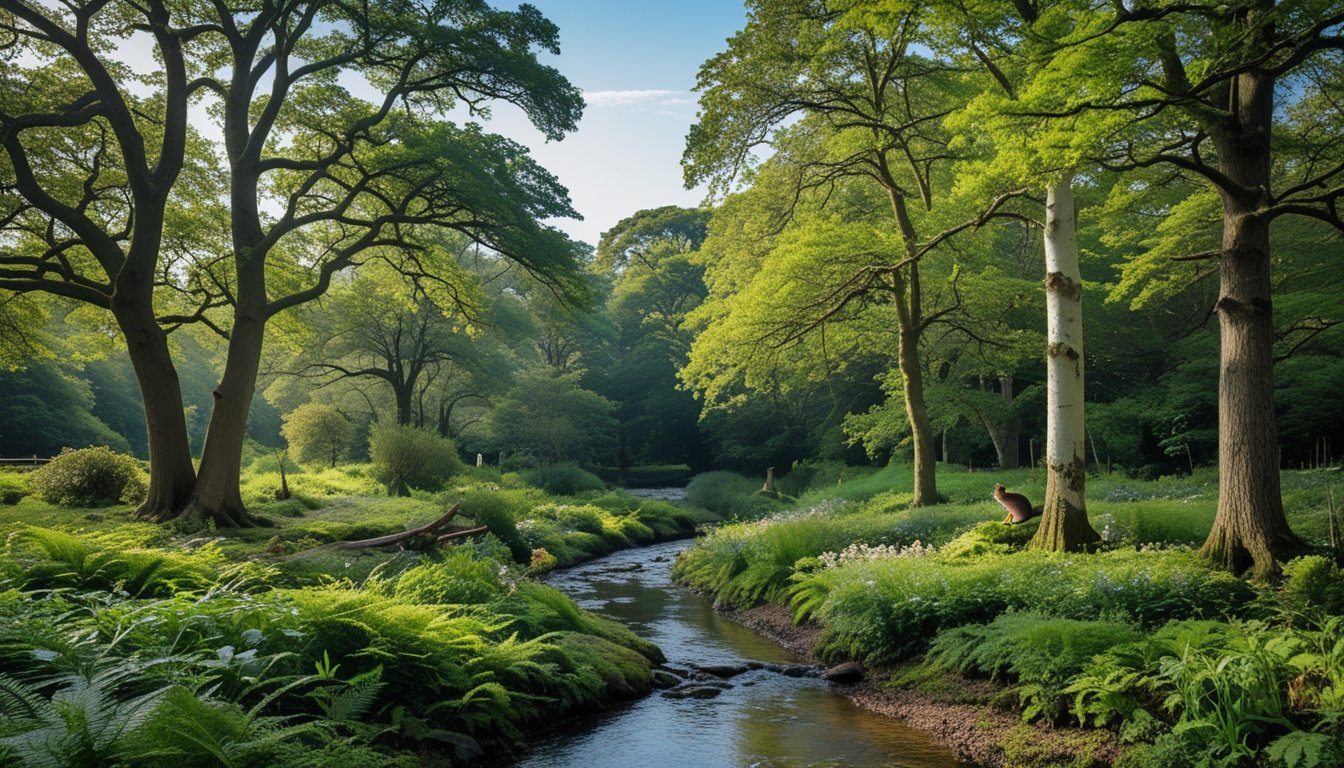
Our UK landscapes have been shaped by these trees for thousands of years, embedding deeply into our cultural and natural heritage. The unique adaptation of native trees to local conditions allows them to flourish with minimal human intervention, supporting a wide array of plants, animals, and fungi. This natural resilience underscores their worthiness as a conservation focus, offering mutual benefits to wildlife and human communities.
Some of the most iconic trees, such as the English Oak and the Scots Pine, serve more than just aesthetic purposes. They are powerhouses of ecological support, hosting myriad species within their complex structures. With growing environmental concerns, understanding and promoting the value of native trees has never been more crucial.
Key Takeaways
- Native trees support UK biodiversity and ecosystems.
- They are vital for ecological balance and climate resilience.
- Conservation of native trees enhances both wildlife and human life.
Ecological Importance Of Native Trees In UK Ecosystems
Native trees in the UK play a pivotal role in maintaining ecological balance, supporting biodiversity, and providing valuable ecosystem services. They sustain diverse wildlife, from insects to mammals, and improve overall ecosystem health. Their unique characteristics make them keystones in habitat connectivity and sources of ecological resilience.
Biodiversity And Specialist Species
In the diverse ecosystems of the UK, native trees such as the oak (Quercus robur) and silver birch (Betula pendula) form critical habitats. These trees host myriad species, including insects, birds, and mammals. Ancient woodlands offer unique ecological niches. Oak trees, for example, support up to 500 different species, including rare beetles and moths.
Pollinators, such as bees and butterflies, benefit from the diverse flowering habits of native flora. Specialist species depend on these habitats for survival, and many are unable to thrive elsewhere. The decline of species like the ash due to ash dieback highlights the need for conservation of resilient native species. Protecting these trees helps sustain genetic diversity, crucial for adapting to environmental changes.
Ecosystem Services Provided By Native Trees
Native trees contribute significantly to ecosystem services, which are the benefits people receive from the natural environment. Carbon sequestration is one of their primary roles, as trees capture carbon dioxide, mitigating climate change. They're also vital in water regulation, reducing flood risks by enhancing soil absorption and water quality.
Soil health is enhanced by tree root systems, which prevent erosion and contribute to nutrient cycling. Deadwood from ancient trees promotes habitats for fungi and other decomposers, maintaining ecosystem health. Additionally, native trees support climate regulation by maintaining cooler microclimates, which are essential for the survival of various species.
Keystone And Pioneer Species In Woodlands
Some native trees are considered keystone species, meaning they have a disproportionate impact on biodiversity. Scots pine is a prime example, forming habitats for wildlife and pioneering soil development. Pioneer species such as silver birch and aspen are the first to colonise open spaces, facilitating woodland creation and rewilding efforts.
These species help establish stable environments that support the growth of more diverse, mixed woodlands. Keystone trees foster habitat connectivity, creating wildlife corridors essential for species migration and gene flow. Protecting and promoting these species through efforts in rewilding and nature recovery initiatives is key to maintaining ecological integrity and resilience.
Native Tree Species And Their Roles In UK Habitats
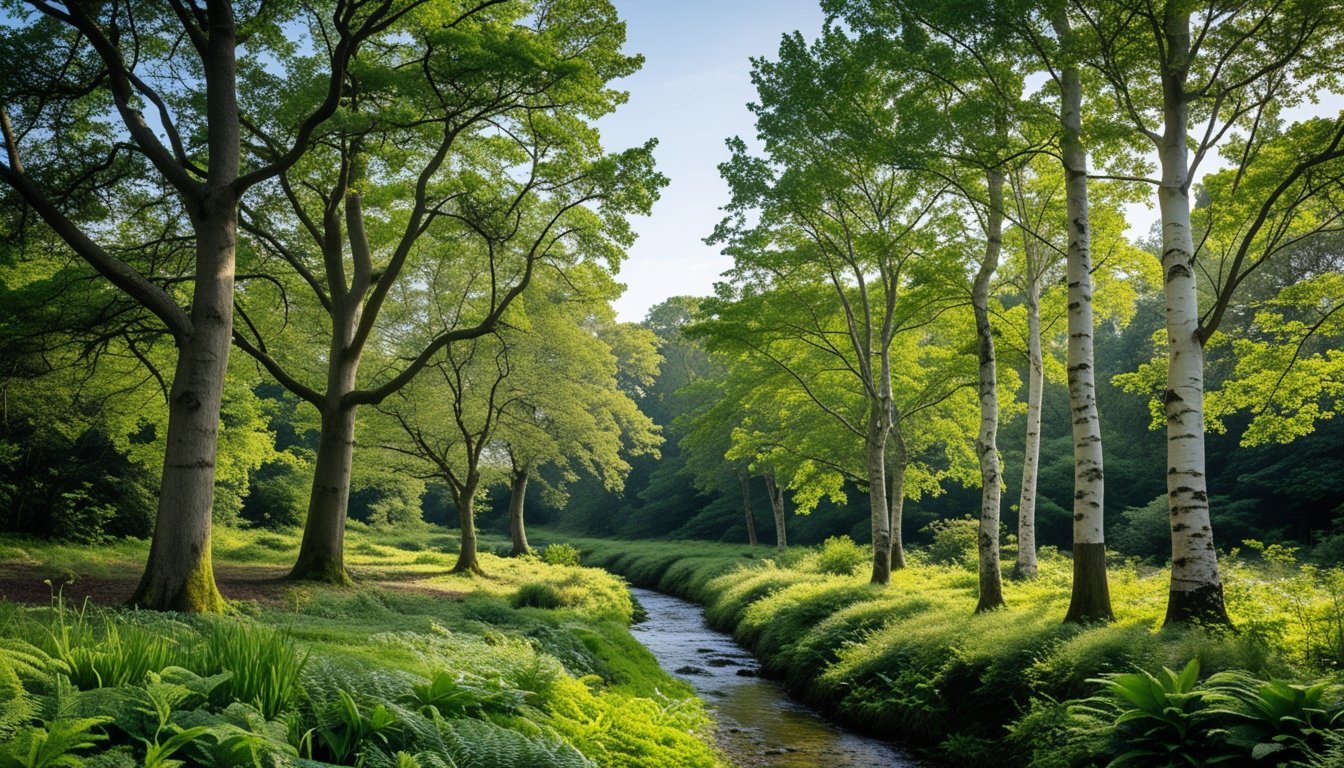
Native trees form the backbone of the UK's diverse habitats, each species playing distinct roles in supporting ecosystems. By sustaining wildlife, supporting pollinators, and strengthening forest resilience, these trees work together to build a complex network of life.
Common Native Trees And Their Adaptations
The UK is home to various native tree species, each uniquely adapted to thrive in local conditions. Oak trees, for example, are known for their resilience and longevity, providing strength and stability to woodland areas. The sturdy hawthorn and blackthorn typically dominate hedgerows, offering essential shelter and food for various species, including the violet click beetle.
Meanwhile, the field maple and crab apple add rich diversity to the landscape with their vibrant autumn displays and fruit. Elder is another valuable native, often found in hedgerows and woodlands and famous for its dark berries that are popular with birds and mammals. These species, along with others like the small-leaved lime, showcase the adaptability of native trees, whether through resistance to harsh weather conditions or efficient resource use.
Tree Species Supporting Wildlife And Pollinators
Many native UK trees offer critical habitat and food resources for wildlife and pollinators, thus playing a vital role in boosting biodiversity. Oak trees alone support hundreds of species, from insects to mammals like the pine marten. Their broad canopy and strong branches offer roosting sites for birds such as owls and perches for bats.
The elder and hawthorn bloom with white flowers in spring, attracting bees and butterflies, which are essential pollinators. Holistic systems are further enriched by trees such as holly, which provide dense winter cover and red berries for animals. These interactions within tree canopies and root systems also help sustain vital fungal networks below ground, illustrating how trees support entire ecosystems.
Conservation Challenges And Tree Health
Despite their importance, native trees in the UK face numerous challenges. Diseases such as ash dieback and threats from non-native pests pose significant risks to tree health. Effective biosecurity measures are crucial to tackling these issues. Additionally, urbanisation and intensive agriculture put native woodlands at risk of fragmentation and loss.
Practical conservation efforts, supported by organisations like the Woodland Trust, focus on planting native UK trees and sustainable forestry practices to ensure forest cover remains robust. Ensuring tree resilience through diversified planting and community involvement helps maintain these habitats. This conservation work is essential to safeguard the health of our precious native trees and their role in climate resilience and urban biodiversity.
Frequently Asked Questions
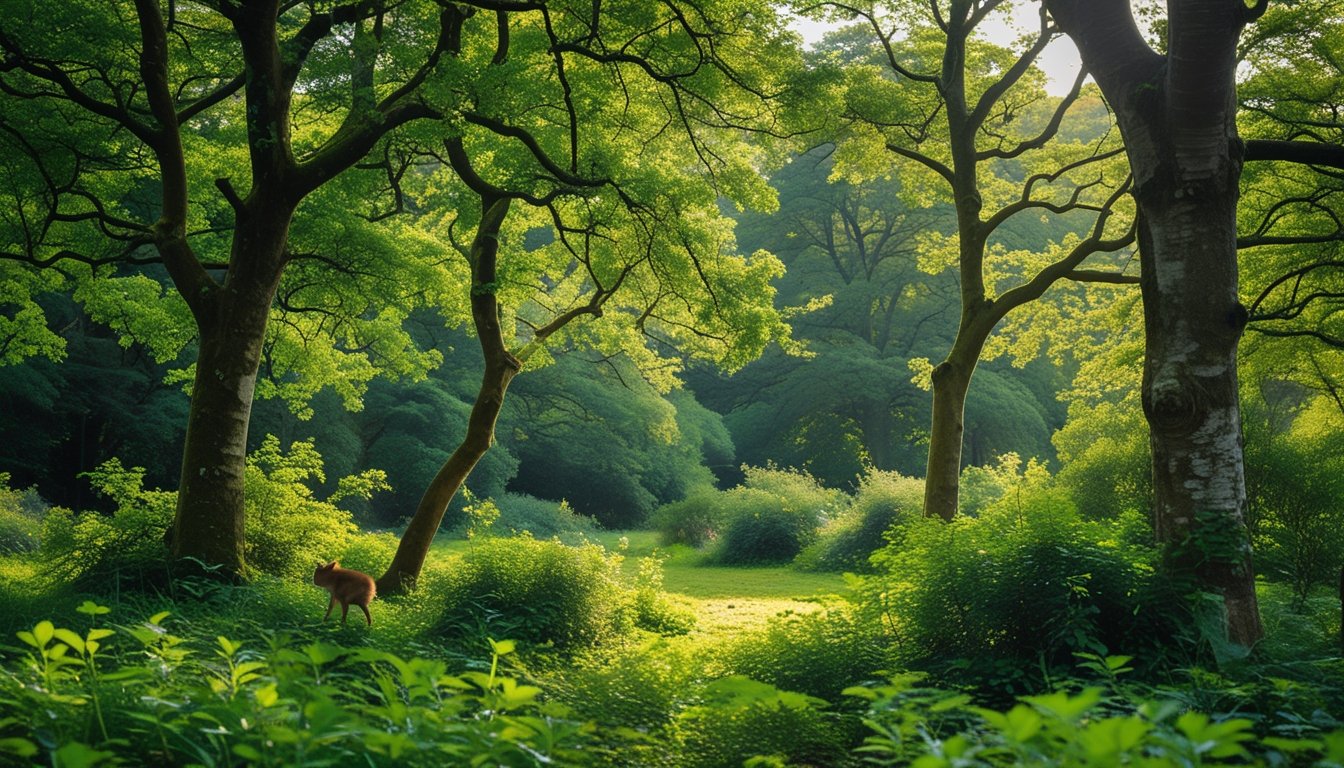
Native trees are essential to the UK's ecosystems, providing numerous ecological and environmental benefits. These trees enhance wildlife habitats, improve air quality, and contribute to soil health while supporting biodiversity.
What are the benefits of native trees for local wildlife in the UK?
Native trees offer essential habitats and food sources for a wide range of wildlife. Species such as oaks and birches support insects, birds, and mammals, creating a thriving ecosystem. Native trees are often home to specific species because they have evolved together over centuries.
How do native trees contribute to soil health and stability in the UK?
The roots of native trees play a vital role in stabilising soil, preventing erosion, and promoting nutrient cycling. Fallen leaves from these trees decompose and enrich the soil, enhancing its fertility and structure. This contributes to healthier and more resilient ecosystems.
In what ways do UK native trees support biodiversity?
UK native trees support biodiversity by providing diversified habitats and resources needed by various organisms. They accommodate fungi, lichens, and insects, all forming part of intricate ecological networks. The presence of these trees boosts genetic variety among species, which is crucial for ecosystem resilience.
What is the impact of native trees on the UK's air quality and climate?
Native trees improve air quality by absorbing pollutants and emitting oxygen. They play a significant role in sequestering carbon dioxide, thus mitigating climate change. Their canopies also offer cooling effects, which can moderate local climates and provide respite in urban areas.
How do invasive species affect native tree populations in the UK's ecosystems?
Invasive species can disrupt the balance of UK ecosystems by outcompeting native trees for resources. They may introduce diseases or pests that native species cannot withstand, leading to declines in tree populations. This impacts the overall health and diversity of ecosystems.
What are the conservation efforts in place to protect native trees in the United Kingdom?
Efforts to protect native trees include reforestation projects, habitat restoration, and legal protections. Organisations and governmental bodies work to raise awareness about the importance of native species. Conservation programmes aim to address threats from development, climate change, and invasive species.