
Late updated: 06 Dec 2025 10:12
Written by: Emily Thornton
Creating Wildlife Corridors With Native UK Plants: Enhancing Biodiversity
In today's rapidly changing landscape, connecting fragmented natural habitats is more crucial than ever. We can achieve this by creating wildlife corridors with native UK plants, seamlessly knitting patches of nature back together within our gardens and local communities. By prioritising native plants, we not only foster biodiversity but also ensure sustainability by using species adapted to our local climate and soil conditions. This effort transforms ordinary spaces into vibrant, thriving ecosystems that support a wide range of wildlife.
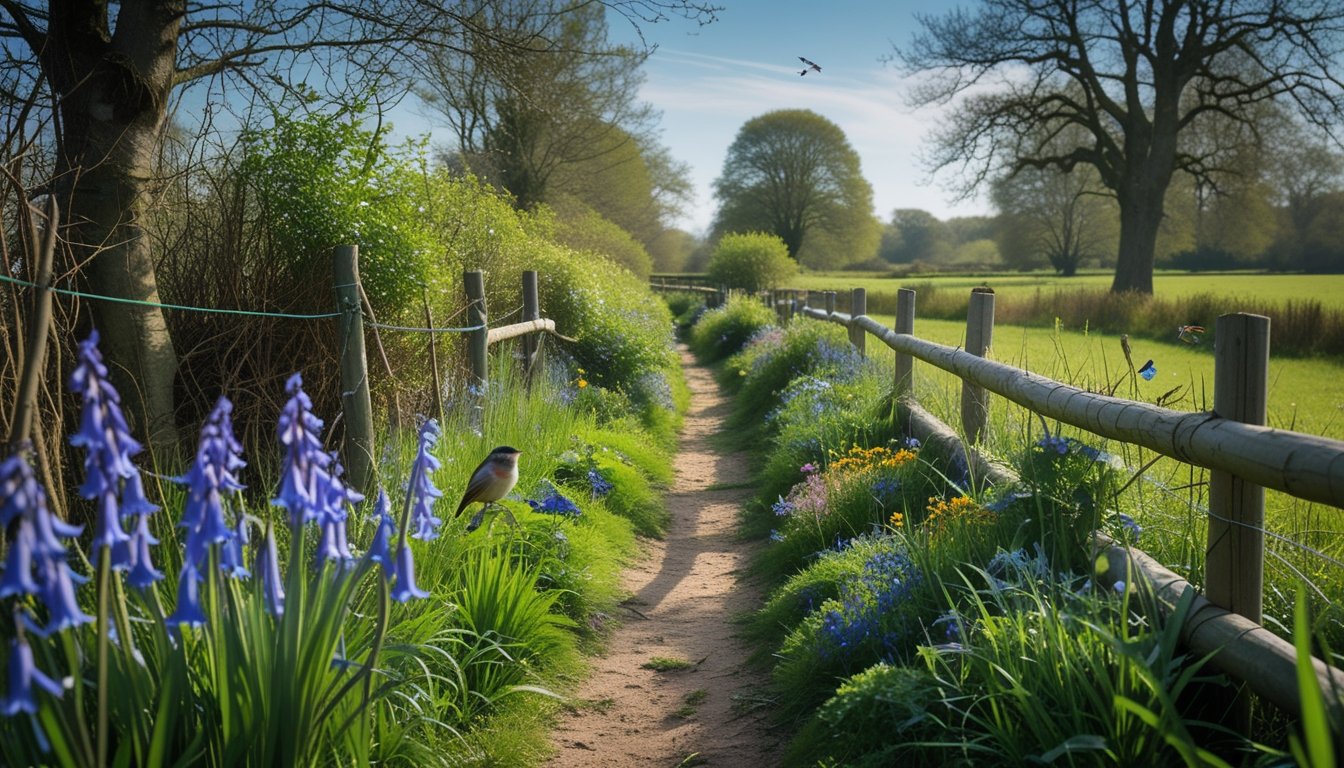
Native UK plants are well-suited to serve as the backbone of these corridors, offering essential food sources and habitats for local fauna, including birds, insects, and mammals. By thoughtfully integrating these plants, we enable species to move freely across landscapes, access vital resources, and maintain healthy populations. The benefits extend beyond ecological health, as these green paths contribute to urban beautification and provide a sense of connection to the natural world.
This blog post delves into practical strategies for designing wildlife corridors that maximise biodiversity and highlight the importance of community involvement in these efforts. Together, we can create lush landscapes that support both regional wildlife and community well-being.
Key Takeaways
- Creating corridors with native plants supports biodiversity.
- Designing effective corridors enhances ecological health.
- Native plants optimise sustainability and habitat quality.
Designing Effective Wildlife Corridors With Native UK Plants
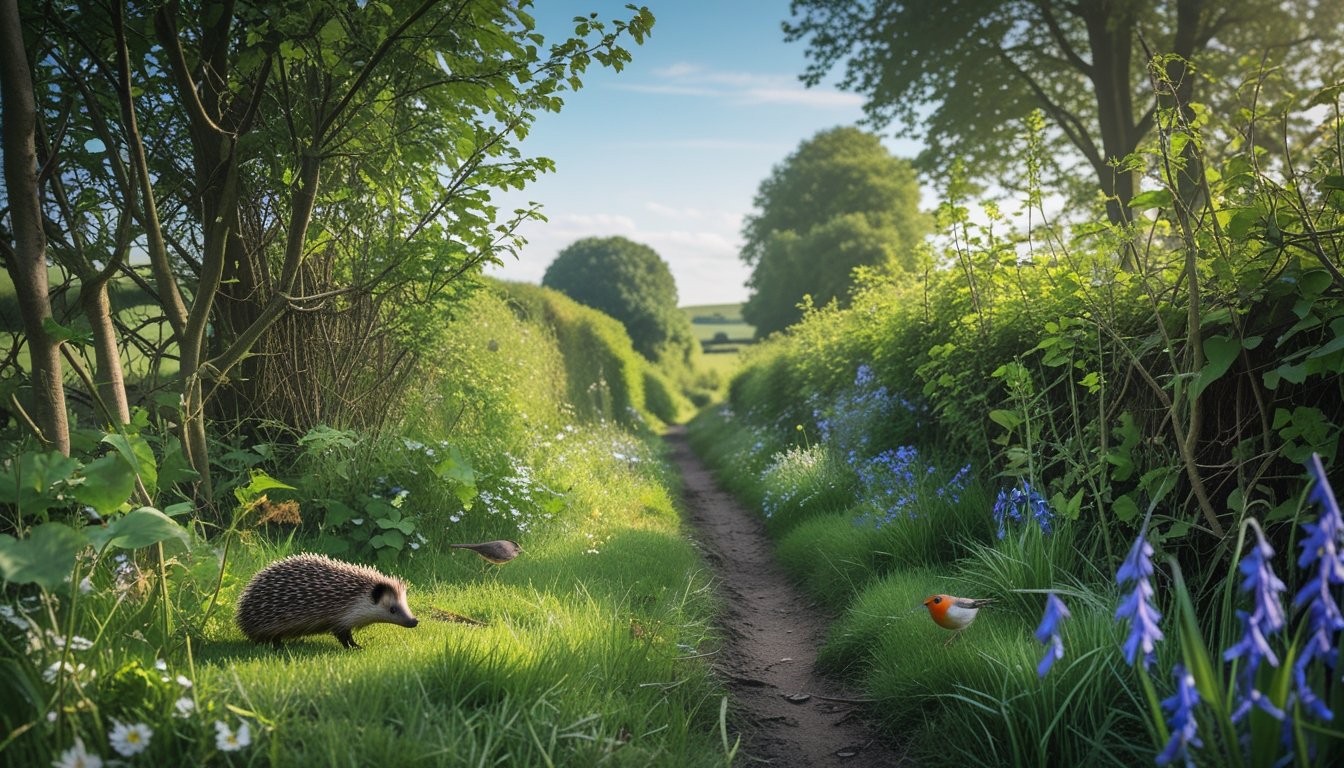
Designing wildlife corridors with native UK plants is essential for enhancing habitat connectivity and supporting biodiversity. This involves strategic layout planning, selecting region-specific flora, and addressing challenges posed by urbanisation and fragmented habitats.
Principles of Corridor Design and Layout
When we set out to design effective wildlife corridors, the layout and design principles are fundamental. Corridors need to provide continuous pathways for wildlife to move between habitats. Creating natural corridors in the shape of linear strips or patches that vary in width helps cater to different species' needs. These corridors should connect to core habitat areas such as woodlands or wetlands. Additionally, offering a mix of dense and sparse vegetation within the corridor increases its attractiveness to diverse species. Structures like hedgerows play a pivotal role in this design, providing essential cover and food sources for wildlife.
Choosing and Sourcing Native Flora
Selecting and sourcing native plants are crucial to ensuring wildlife corridors thrive and support local ecosystems. We must prioritise plants naturally adapted to the UK's climate and soil. This ensures the corridors demand less maintenance and provide suitable habitats for native wildlife. It's important to source plants from local nurseries to ensure genetic integrity and adaptability. When choosing flora, focus on species known to support important pollinators like bees and butterflies. Collaboration with local horticultural experts can provide insights throughout the process, helping select the most beneficial plants for specific regions.
Key Native Plant Species for Corridors
In designing these corridors, certain native UK species stand out for their ecological value. Hawthorn (Crataegus monogyna) is a prime choice due to its dense structure, offering perfect nesting sites and a rich food source with its berries. Similarly, honeysuckle is valued for its fragrant blooms, which are a magnet for pollinators. These plants, along with native wildflowers, provide year-round resources for wildlife. Creating hedgerows with these species establishes essential links between habitats. Such plant choices also support pollinator movement, enhancing overall biodiversity and habitat resilience.
Addressing Fragmented Habitats and Urbanisation
Urbanisation presents a challenge by causing habitat fragmentation, which disrupts wildlife movement. To counter this, our strategies must integrate with urban landscapes. Incorporating green roofs, vertical gardens, and roadside planting can establish corridors within city environments. It's crucial to advocate for habitat corridors that link urban spaces with peri-urban and rural areas. Designing these in a way that mitigates urban threats, like pollution and traffic, enhances their effectiveness. By integrating thoughtful planning with existing urban infrastructure, we can sustain corridor integrity and connectivity amidst a fragmented landscape.
Maximising Biodiversity and Sustainability in Wildlife Corridors
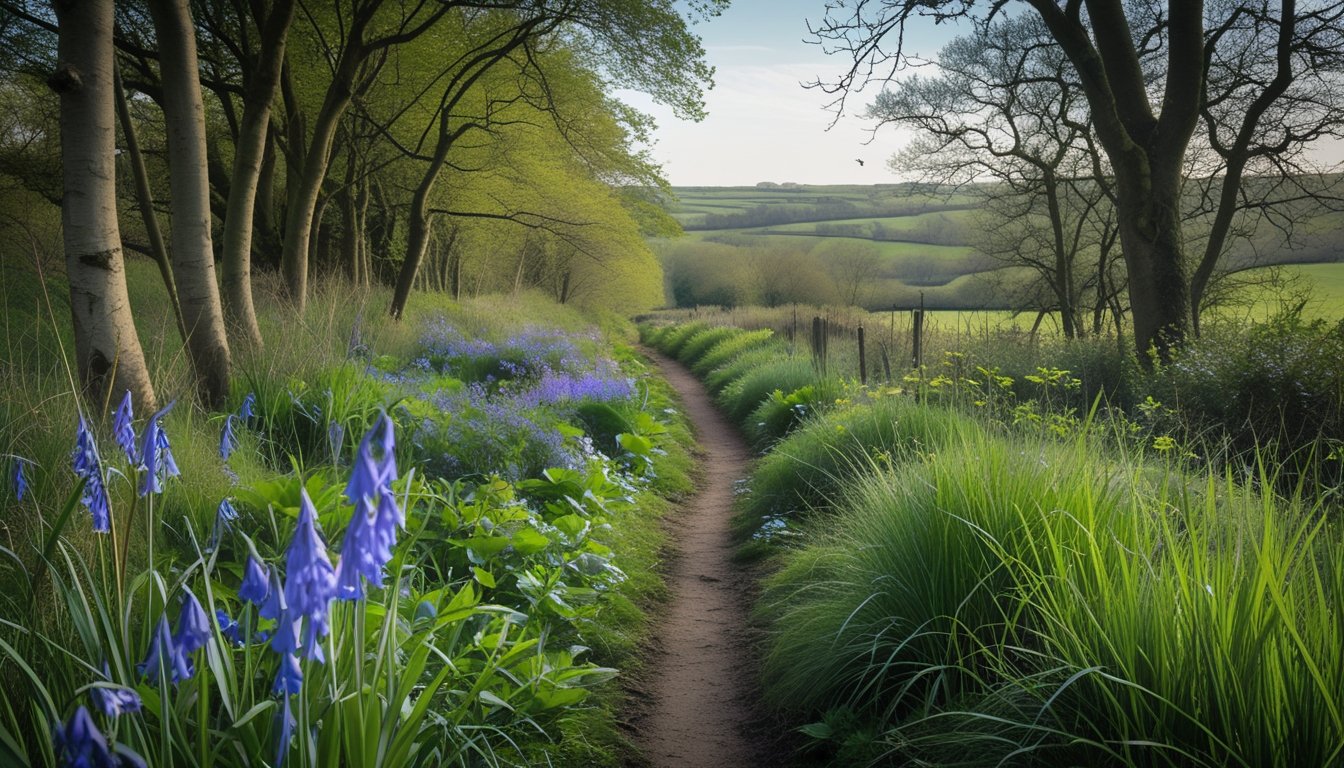
Creating wildlife corridors using native UK plants offers vital opportunities for boosting biodiversity and ecological sustainability. By supporting native species, we cultivate rich ecosystems that promote genetic exchange and enhance ecological networks. The sections below delve into practical methods for supporting pollinators and diverse wildlife populations and highlight the importance of maintenance and community involvement.
Supporting Pollinators and Diverse Wildlife Populations
When designing wildlife corridors, incorporating native plants can significantly enhance habitat quality for pollinators and a wide array of wildlife. Native flowering plants, such as foxgloves and clovers, provide essential nectar and pollen sources for bees, butterflies, and other insects. Additionally, using vegetation that includes hawthorns and hazel shrubs attracts birds and small mammals by offering shelter and food resources.
We should strive to preserve a mix of habitats, including varied plant heights and structures, to accommodate a diverse range of species. This diversity ensures that different wildlife populations can thrive within the corridor, enriching the surrounding ecological framework and bolstering resilience. To combat invasive species, regular monitoring and management practices are essential, preventing them from outcompeting native flora and fauna.
Ensuring Ecological Networks and Genetic Exchange
Wildlife corridors enable crucial connectivity between isolated habitats, facilitating genetic exchange that strengthens wildlife populations. This connectivity enhances genetic diversity, which is critical for species' survival and adaptation to environmental changes. We can promote these networks by aligning corridors with natural boundary features such as streams or existing hedgerows, allowing seamless transitions between different ecosystems.
For example, by establishing corridors that bridge fragmented woodland areas, we can create pathways facilitating movement and interaction among species. These corridors can also serve as stepping stones, assisting migratory species in finding new habitats. Effectively connected ecological networks underpin robust ecosystems, promoting regional biodiversity and environmental health.
Maintenance and Long-Term Ecological Benefits
Long-term success of wildlife corridors requires diligent maintenance and monitoring practices. Regular assessment of plant health and corridor structure helps maintain their ecological value. We must address issues like soil erosion and plant die-off promptly to sustain the corridor's integrity. Techniques such as periodic plantings and the removal of litter and invasive species bolster the ecosystem's rejuvenation while preserving ecological sustainability.
Wildlife corridors offer enduring benefits by supporting ecosystem services such as water filtration and carbon sequestration. Over time, these corridors enhance local landscapes' aesthetic value, providing a peaceful retreat and fostering biodiversity. Consistent maintenance ensures that these corridors continue to confer ecological and societal benefits for generations.
Community Involvement and Local Initiatives
Community engagement is vital in the successful implementation and sustainable development of wildlife corridors. By organising local initiatives and collaborations, such as wildlife-friendly garden projects or community planting days, we empower residents to actively contribute to conservation efforts. These initiatives can include activities like constructing green roofs or establishing native plant gardens, collectively enriching local biodiversity.
Local schools and organisations can offer educational programmes highlighting the importance of wildlife corridors and the role residents play in their preservation. By involving community members, we foster a sense of ownership and stewardship, essential for the corridor's long-term success. Together, we can create resilient, vibrant spaces that support a wide range of species while promoting ecological awareness and community camaraderie.
Frequently Asked Questions
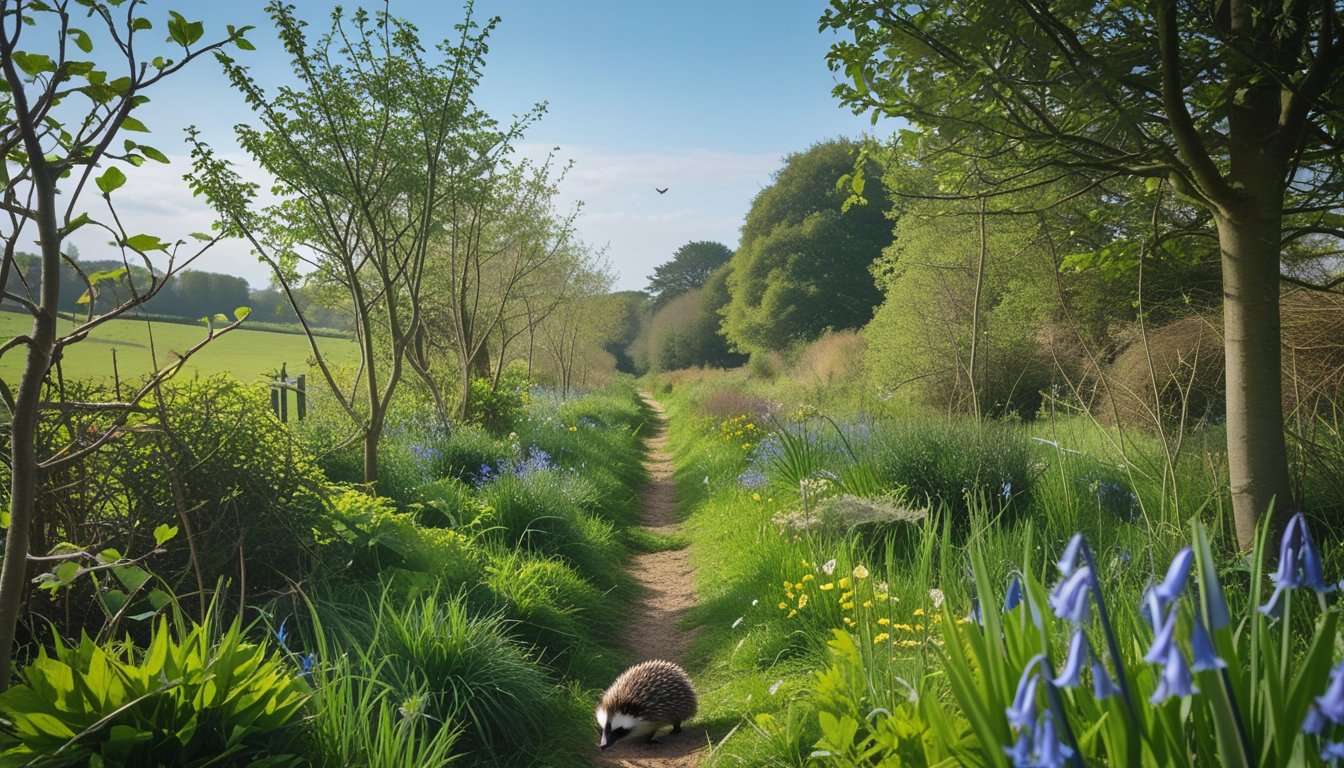
Creating wildlife corridors using native UK plants involves specific strategies to ensure their effectiveness. From choosing the right plant species to understanding community involvement and legal aspects, these considerations are integral to the success of wildlife corridors.
What are the primary considerations when designing a wildlife corridor?
When designing a wildlife corridor, it's essential to focus on connectivity and habitat quality. Corridors should connect critical habitats to facilitate wildlife movement safely and effectively. Incorporating a variety of plant species can enhance the habitat for different wildlife. Furthermore, understanding the local geography and existing ecosystem is vital to align the corridor’s design with natural paths and food sources.
How does the use of native plants benefit biodiversity within wildlife corridors?
Native plants are crucial as they provide the most compatible support for local fauna. These plants offer appropriate food and shelter, which native wildlife is adapted to and depends on for survival. By using native species, we can maintain ecological balance, encouraging a diverse range of species to thrive within these pathways, thus enhancing overall biodiversity.
Which native UK plant species are most effective for attracting specific wildlife?
Some highly effective native UK plant species include oak trees, which provide food and habitat for numerous species; hawthorns known for supporting insects and birds; and bluebells, which attract pollinators. Each of these plants serves a specific role in attracting a broad spectrum of regional wildlife, promoting a healthy ecosystem.
What are the best practices for maintaining and managing wildlife corridors?
Regular monitoring is key to ensure that sections of the corridor remain connected and accessible. Control of invasive species is necessary to maintain the health of native plants. It’s also important to adapt management practices to ecological changes over time. Organising community events for planting and maintenance can foster shared responsibility for these spaces.
How can local communities get involved in creating and preserving wildlife corridors?
Communities can engage in planning and planting initiatives to extend green spaces. By participating in local conservation groups or collaborating with organisations focused on wildlife conservation, residents can contribute time and resources. Community education programmes can raise awareness about the benefits and maintenance of wildlife corridors.
What are the legal implications of establishing wildlife corridors on private land?
Landowners may need to consider legal constraints related to land use and environmental regulations. It is advisable to consult local councils regarding permissions and compliance with conservation laws. Wildlife corridors can also be integrated into local planning strategies, offering potential benefits such as tax incentives or grants for conservation efforts.