
Late updated: 06 Jan 2026 13:01
Written by: Emily Thornton
The Benefits Of Native UK Plant Landscaping: Enhancing Biodiversity And Sustainability
Embarking on the journey of landscaping with native UK plants offers a remarkable opportunity to bring our gardens in harmony with the local environment. Native plants thrive effortlessly in their natural habitat, ensuring lower maintenance while enhancing biodiversity. Their adaptation to the local climate not only reduces the need for additional resources like water and fertilisers but also promotes the well-being of native wildlife, creating a haven for pollinators and other beneficial organisms.
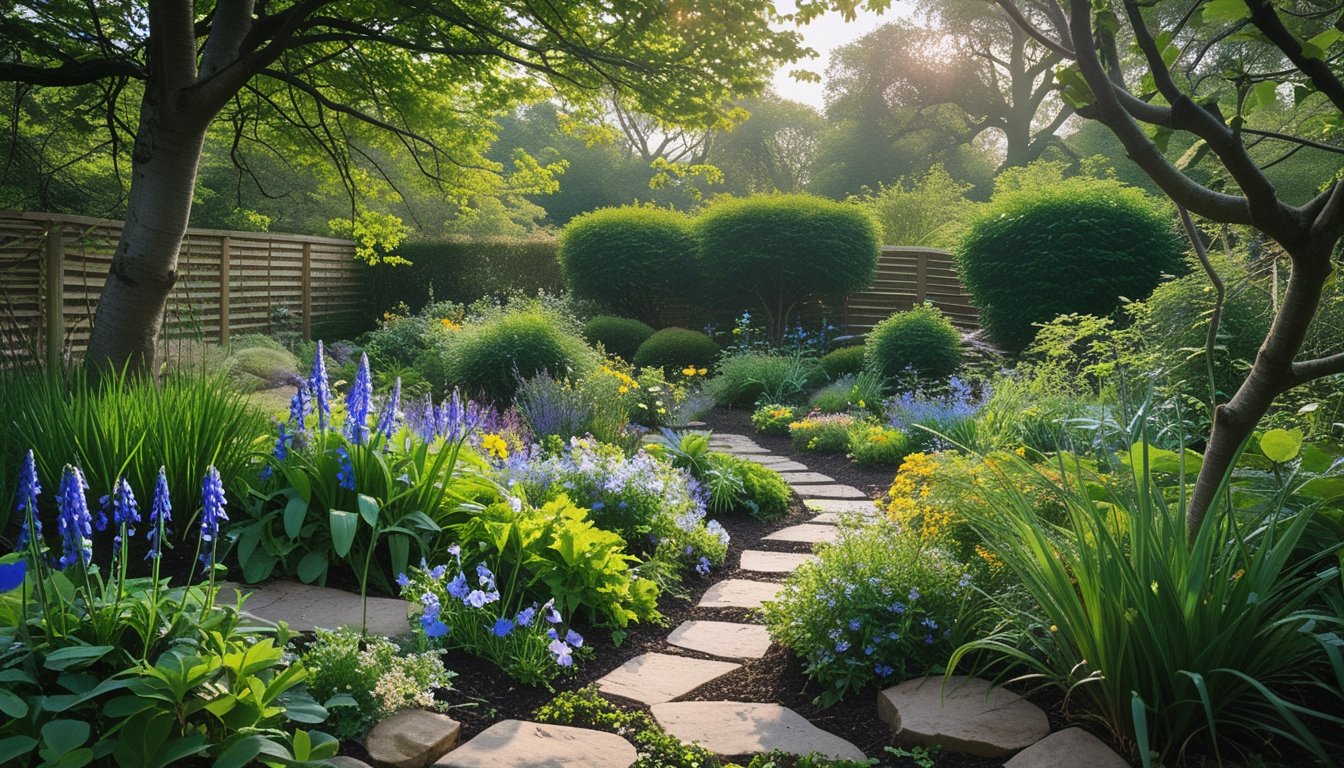
The allure of native plant landscaping lies in its intrinsic sustainability. When we utilise plants that naturally occur in our region, we contribute to conservation efforts while enjoying a garden that stands resilient against regional environmental challenges. This practice not only champions environmental stewardship but also fosters a vibrant and self-sustaining ecosystem right on our doorstep, connecting us to the rich biodiversity and cultural heritage of the UK.
Incorporating native plants into our garden design offers both aesthetic and practical benefits. These plants can provide structure with their diverse forms, colours, and textures, which blend seamlessly into the landscape. By opting for native species, we also support sustainable practices that ensure our gardens remain healthy and robust against the pressures of changing weather conditions.
Key Takeaways
- Native plants require less maintenance and resources.
- They support biodiversity and local wildlife.
- Using native plants contributes to sustainable gardening.
Core Advantages Of Native UK Plant Landscaping
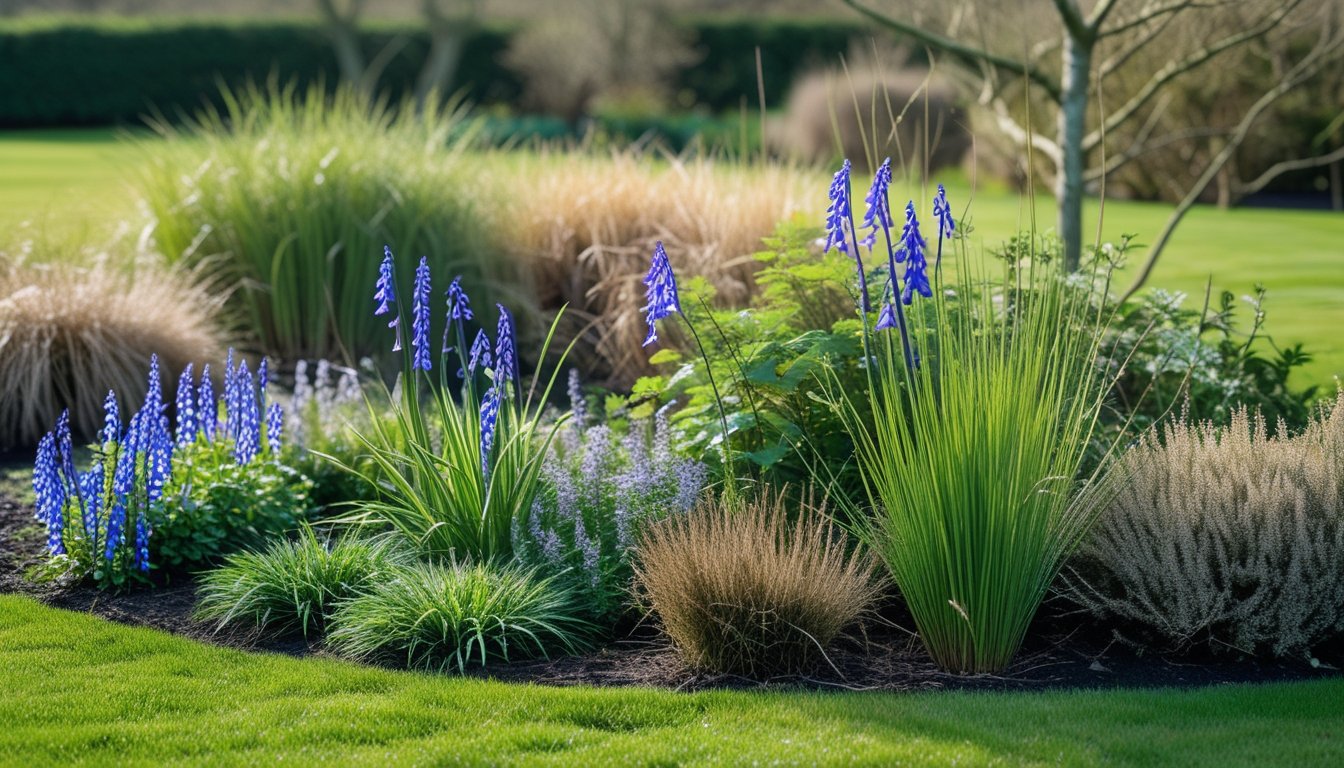
Native UK plant landscaping provides an array of ecological and environmental benefits. By embracing plant species naturally adapted to our local climate, we bolster biodiversity, support local wildlife, conserve water, and improve soil health—all of which contribute to creating more sustainable and resilient landscapes.
Enhancing Local Biodiversity
Using native plants in our gardens enhances local biodiversity by providing habitats that support a wide range of insects, birds, and other wildlife. These plants are well-adapted to the local environment, allowing them to thrive without the need for additional resources. As they flourish, they create vibrant ecosystems that are home to various species. This diversity is vital for the health of our environment, as it helps build resilience against pests and diseases. In essence, native plant landscaping enriches our surroundings by fostering ecosystems that can better withstand ecological changes and disruptions.
Supporting Pollinators And Native Wildlife
Native UK plants serve as essential resources for pollinators like bees and butterflies, which are crucial for the pollination of many crops and wild plants. By cultivating these plants, we provide a consistent food source for these vital insects throughout the year. Native landscaping also offers shelter and nesting sites for birds, small mammals, and other wildlife. Establishing such habitats in our gardens helps sustain local ecosystems, ensuring the continued survival of species that rely on native flora. Supporting these organisms is integral to maintaining a balanced and thriving natural environment.
Water Conservation And Drought Resilience
One significant advantage of native plant landscaping is its capacity for water conservation. These plants have evolved to thrive with the natural rainfall levels in the UK, reducing the need for supplemental watering. By using less water, we can preserve this precious resource and minimise environmental impacts. Furthermore, native plants often possess deep root systems, which enhance their ability to access water during dry spells. This characteristic makes them more resilient to drought conditions, an increasingly important trait given the effects of climate change. This resilience helps maintain healthy landscapes with minimal intervention.
Soil Health And Erosion Prevention
Native plants contribute to soil health and combat erosion in several ways. Their root systems stabilise the soil, preventing it from being washed away by heavy rains. Over time, these roots decompose, enriching the soil with organic matter and improving its structure and fertility. Additionally, native plants encourage the growth of beneficial soil organisms that further enhance soil quality. By reducing the need for chemical inputs, such as fertilisers and pesticides, these plants promote a more sustainable approach to gardening. Incorporating native plant species is a practical step towards maintaining healthy and productive soils.
Design And Practical Considerations For Native Plant Landscapes
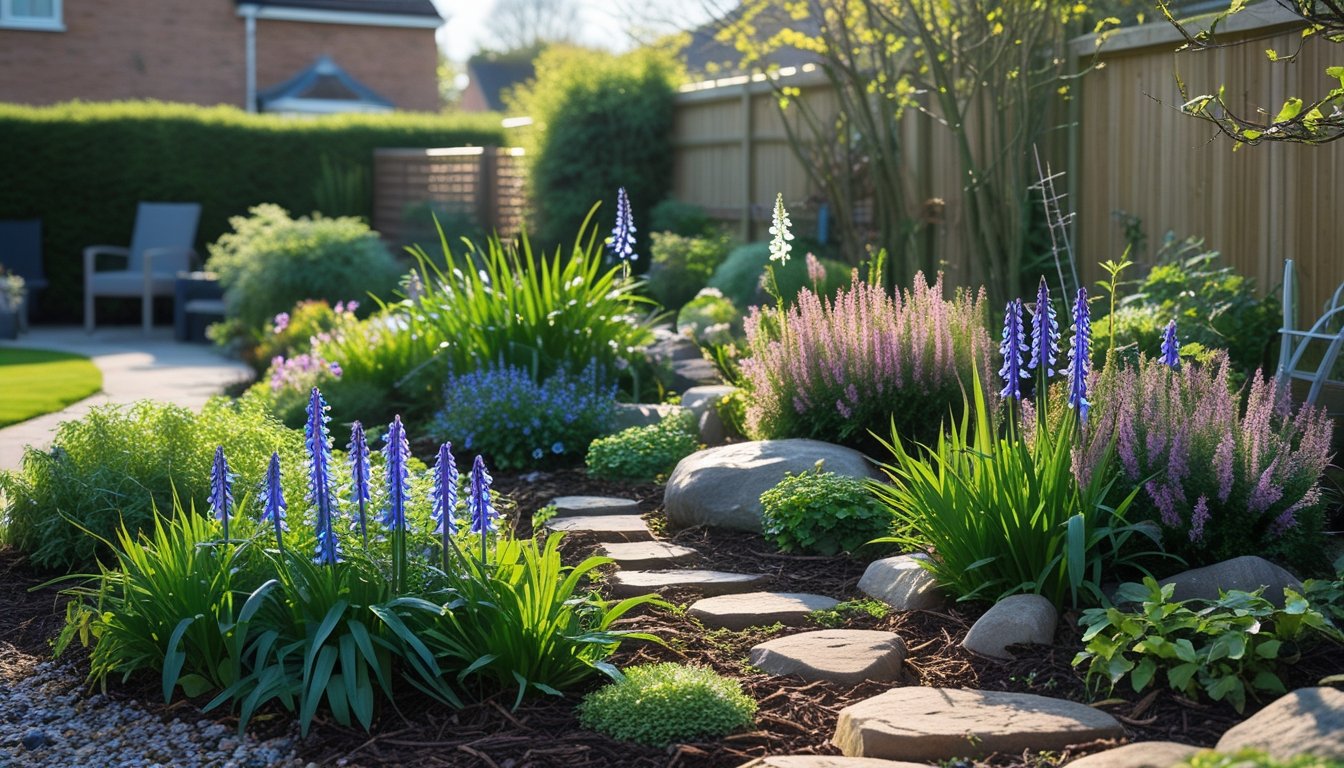
Native plant landscapes in the UK offer a blend of ecological benefits and aesthetic charm. These landscapes encourage biodiversity, require less maintenance, and often utilise local resources efficiently. Let us explore key aspects that will guide us as we design such sustainable and beautiful environments.
Plant Selection For UK Conditions
Choosing appropriate plants is a crucial step in creating a thriving native garden. In the UK, native species like hawthorn (Crataegus monogyna), silver birch (Betula pendula), and honeysuckle are excellent options due to their adaptability to local climates. Selecting groundcovers and native grasses, such as Deschampsia cespitosa, helps in maintaining low-maintenance landscapes. It is vital to assess sun exposure, drainage, and soil pH to ensure that the chosen plants will flourish.
Avoid invasive species as they can disrupt local ecosystems. Partnering with local nurseries or consulting native plant societies might provide further insights into making informed choices that enhance plant diversity. For a touch of colour, incorporate wildflower meadows or feature plants like black-eyed Susan, which thrive in the UK environment.
Landscape Design And Seasonal Interest
A well-thought-out landscape design incorporates seasonal interest to provide beauty and function year-round. We can design landscapes using microclimates, rock gardens, and even rain gardens to support varied plant life. Early spring buds, summer blooms, autumn berries, and winter textures should be considered to create a dynamic garden.
Creating a pond or log piles can significantly increase the property value and wildlife appeal. Strategic design can also aid in rainwater harvesting, utilising features like rain gardens to manage excess water effectively. We should consider the placement and growth patterns of plants to maintain visual balance and sustainable growth in our gardens.
Maintenance, Mulching, And Soil Management
Maintenance is less intensive with native plants, but it remains a key consideration. Mulching with compost or organic materials helps retain soil moisture and suppress weeds. Pruning and deadheading are vital to maintain plant health and encourage new growth.
Understanding soil management is essential. Assessing pH and nutrient levels will guide which native species are most suited to your landscape. Implementing a low-impact maintenance schedule will reduce resources and labour while preserving the garden's natural beauty. Efforts like these ensure that we continue fostering environments where native species can thrive effortlessly.
Frequently Asked Questions
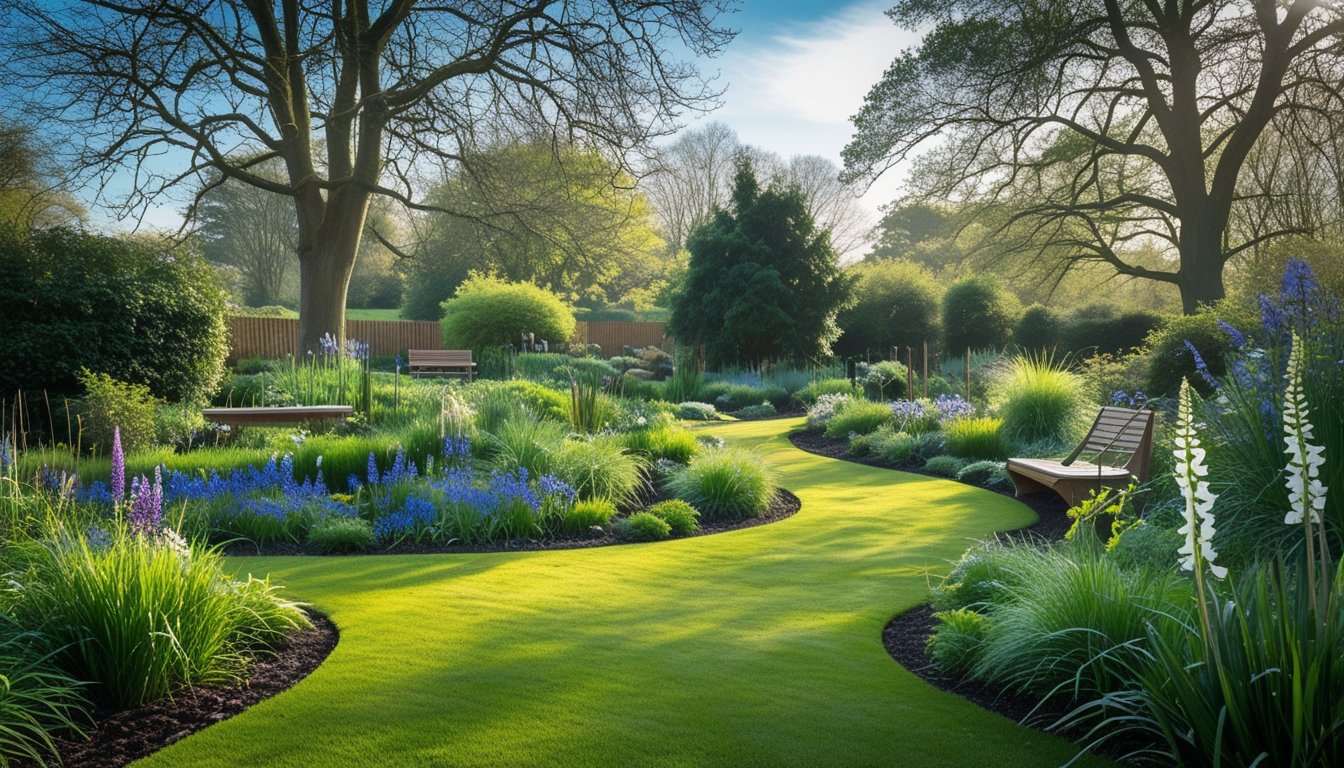
Our exploration into the benefits of native UK plant landscaping highlights their ecological value, role in supporting local wildlife, and potential for promoting sustainable practices. We also discuss their advantages for water conservation, soil health, biodiversity, and long-term costs.
What are the ecological advantages of landscaping with native UK plants?
Landscaping with native UK plants can significantly enhance ecosystems by supporting local flora and fauna. These plants are adapted to the local climate and soil conditions, reducing the need for chemical interventions and creating a more balanced environment.
How does incorporating native species into garden designs support local wildlife?
Utilising native species in garden designs provides essential habitats and food sources for local wildlife. Many native plants attract pollinators, such as bees and butterflies, and offer shelter to various animal species, thus supporting biodiversity.
In what ways can native UK plants contribute to sustainable gardening practices?
Native UK plants are adapted to thrive without excessive fertilisers or pesticides, which promotes more sustainable gardening practices. Their presence can reduce the dependence on chemical inputs and encourage natural garden maintenance methods.
What are the water conservation benefits of using indigenous plants in landscaping?
Indigenous plants are well-suited to local rainfall patterns and soil moisture levels, often requiring less irrigation. By planting these species, we can help conserve water and maintain a healthier, more self-sustaining garden environment.
How can native plant landscaping influence soil health and biodiversity?
Native plant landscaping can greatly enhance soil health by supporting diverse root systems that prevent erosion and promote nutrient-rich soil. This, in turn, supports a wide range of microorganisms and enhances biodiversity.
What are the long-term cost benefits of establishing a native plant garden?
Although initial costs might be similar to conventional gardening, native plant gardens often result in long-term savings. Reduced need for watering, fertilizers, and pest control decreases maintenance costs, making them a cost-effective choice over time.