
Late updated: 07 Dec 2025 10:12
Written by: Emily Thornton
Native UK Plants for Natural Windbreaks: Top Choices and Benefits
Exploring the use of native UK plants for natural windbreaks opens a world of sustainable gardening and environmental protection. Utilising native species offers a dual benefit: creating effective barriers against wind while supporting local biodiversity. Oaks and hawthorns stand as time-honoured choices, their robustness providing much-needed shelter in windy locations.
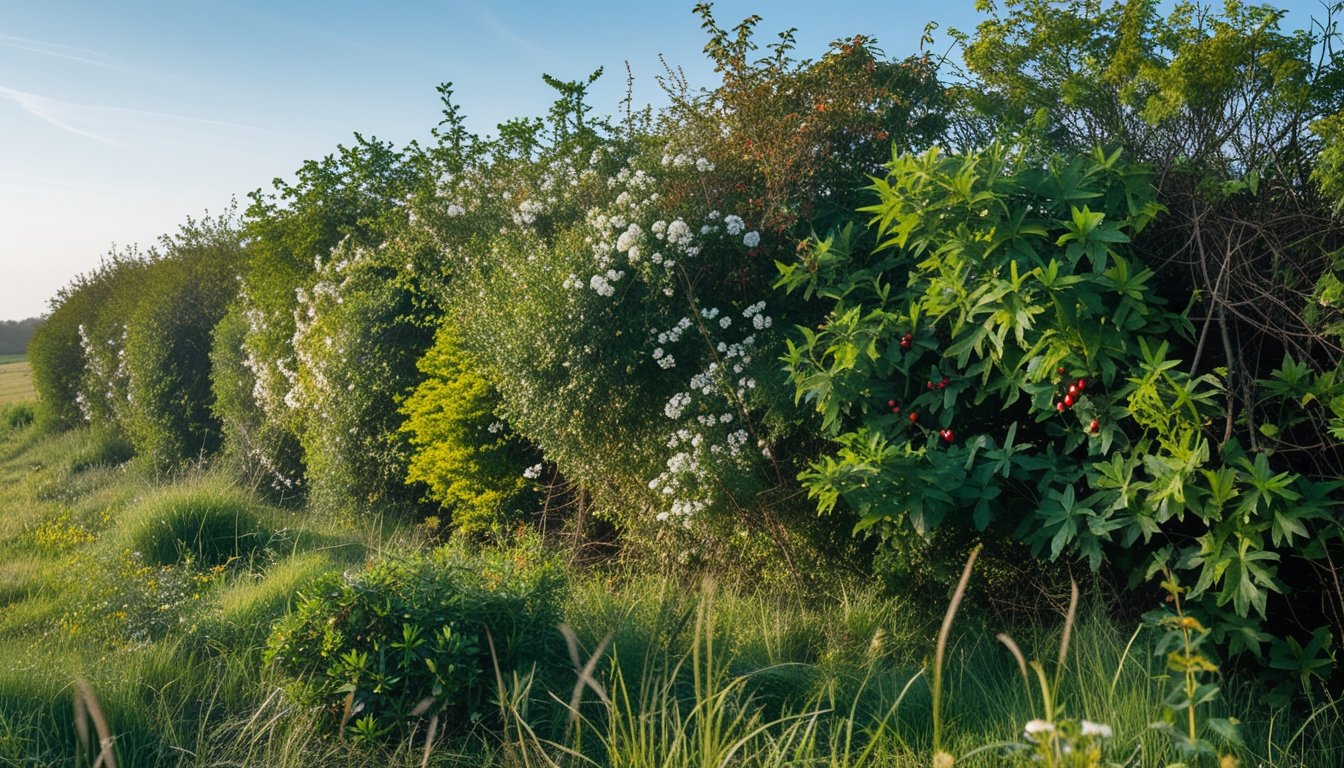
Our goal is to help you design windbreaks that blend seamlessly with the natural landscape. Crafting these structures requires understanding the unique characteristics of native plants and how they function in harmony with each other. Harnessing the innate resilience of species like hornbeam and blackthorn, we can establish windbreaks that thrive year-round.
From selecting the right plants to considering layout and density, it's vital to ensure that natural windbreaks serve not only their functional purpose but also enhance the overall aesthetics of a space. While planning, consider carefully how each plant fits into the broader picture, ensuring both form and function are achieved.
Key Takeaways
- Native UK plants are ideal for sustainable windbreaks.
- Strategic plant selection and layout are crucial for effectiveness.
- Natural windbreaks provide environmental benefits and aesthetic appeal.
Key Native UK Plants for Effective Natural Windbreaks
Establishing effective natural windbreaks involves selecting specific plant species that thrive in UK climates. These plants not only serve as barriers against wind but also support local biodiversity and contribute to garden aesthetics.
Native Trees Suitable for Windbreaks
Trees play a crucial role in forming the backbone of any natural windbreak. In the UK, Alder is a popular choice due to its robust nature and ability to thrive in a variety of soil conditions, including wet environments. Another excellent tree is the Hawthorn, renowned for its dense branches and white spring blossoms. Oak trees, with their strong structure and historical significance, also make a fitting choice for windbreaks, providing shelter and enhancing wildlife habitats. Native trees offer the foundational structure required for strong windbreaks while promoting environmental harmony.
Hedges and Shrubs for Living Windbreaks
Hedges formed from native shrubs create effective living windbreaks, ideal for gardens and larger landscapes. Blackthorn is particularly valued for its dense growth, making it a formidable barrier against strong winds. Other notable shrubs include Hawthorn and Hazel, which provide not only shelter but also food sources for local wildlife. These hardy plants are suitable for smaller gardens yet offer significant wind protection. By incorporating these shrubs into our windbreaks, we can ensure year-round efficacy and ecological benefit.
Evergreens and Deciduous Shrubs for Year-Round Shelter
Evergreen shrubs such as Yew and Holly maintain their foliage throughout the year, providing consistent shelter. Holly's glossy leaves and red berries also add winter interest to any garden. Deciduous shrubs, meanwhile, like the Field Maple help to buffer wind in summer with their leafy cover and allow sunlight through when bare in winter. A mix of evergreen and deciduous shrubs offers the best of both worlds in terms of protection and seasonal visual appeal. Combining these types ensures continuous windbreak performance regardless of season.
Ornamental and Ground Cover Plants for Supplementary Wind Reduction
Ornamental plants like Lavender not only act as a secondary wind barrier but also contribute fragrance and colour. Meanwhile, native grasses such as Festuca add texture and movement, with their blades reducing lower wind flow effectively. Ground cover plants provide erosion control and stabilise soil, essential for maintaining the structure of the windbreak. These plants enhance the primary windbreak and add layers of aesthetic interest, beneficial both for garden design and wildlife support.
Design and Establishment Considerations for Natural Windbreaks in the UK
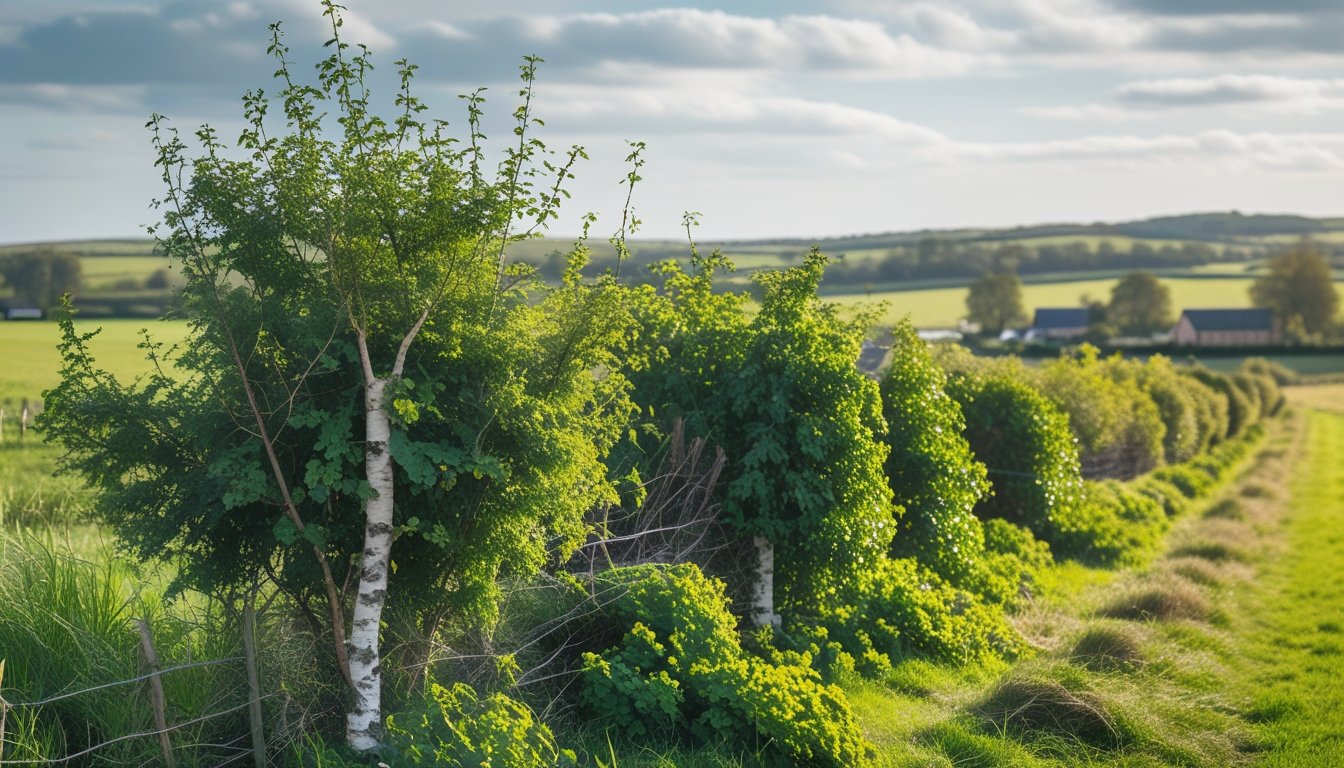
Creating effective natural windbreaks in the UK involves understanding environmental factors such as local climate and soil conditions. These structures offer wind protection while enhancing biodiversity and landscape harmony.
Principles of Windbreak and Shelterbelt Planting
When designing windbreaks and shelterbelts, it is crucial to consider plant species selection. Native UK species such as hawthorn, blackthorn, and field maple are often favoured for their adaptability and ecological benefits. These species provide benefits in pest control and support a range of wildlife, which contributes to a balanced ecosystem.
The arrangement of plants involves strategic placement to create layered barriers. Tall trees act as the primary windbreak, while shrubs form subsequent lines, filling gaps and providing additional shelter. This multilayered approach enhances the windbreak's effectiveness by creating a buffer zone that reduces wind speed gradually rather than abruptly, minimising the risk of damage from strong winds.
Optimising Wind Protection in Gardens and Orchards
In gardens and orchards, optimising wind protection involves an understanding of site-specific factors. We must assess prevailing wind directions to align windbreaks strategically. Placing windbreaks perpendicular to the wind direction helps to effectively block and diffuse the wind. Using mixed plantings rather than single-species rows aids in enhancing resilience against pest outbreaks and diseases.
Furthermore, establishing windbreaks in gardens enhances microclimates, providing warmer, more stable environments for sensitive crops. In orchards, proper windbreak design ensures trees receive adequate protection from harsh winds, reducing moisture loss and ensuring healthy growth. An orchard surrounded by well-planned windbreaks can see improved yields due to decreased stress on trees and better pollination conditions.
Planning for Wind Reduction and Microclimates
Planning for wind reduction combines understanding microclimates and wind dynamics. Effective planning aims to mitigate the effects of wind while maximising benefits like increased temperature moderation. We should carefully select species that suit the specific microclimate of the area, balancing the need for protection with considerations of aesthetics and landscape integration.
In addition, it's essential to maintain openness in the windbreak’s structure to adequately diffuse wind energy. Fully planting the area with densely packed foliage might create turbulence that can damage plants. Instead, we strive for a balance that protects without causing other weather-related issues. Assessing the potential impact on adjacent properties and considering local wildlife corridors encourages ecological harmony.
Frequently Asked Questions
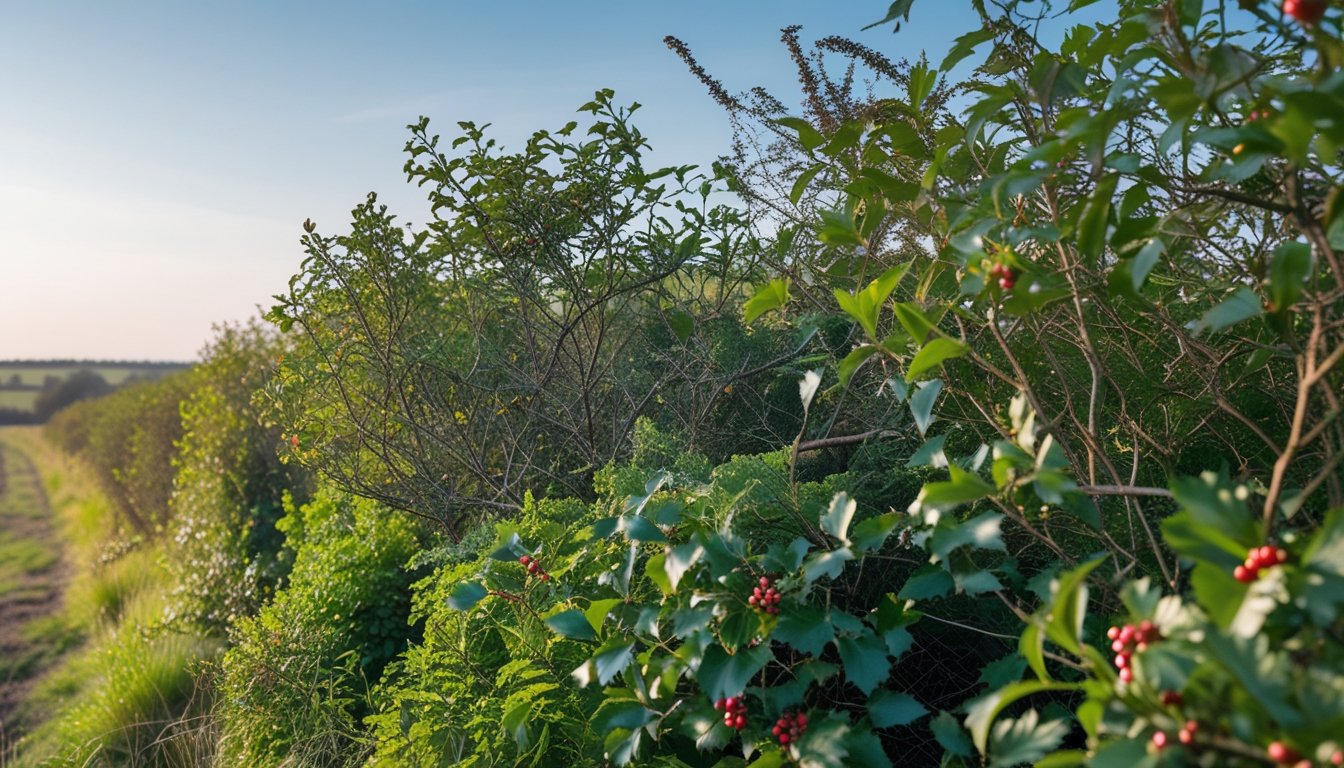
In this section, we provide targeted insights into selecting and maintaining native UK plants for natural windbreaks. From ideal plant choices to design strategies, we explore considerations for effective implementation.
What are the best native plants to use for creating windbreaks in the UK?
Native plants that are well-suited for windbreaks include species like hawthorn and blackthorn. These plants not only provide robust protection but also enhance local biodiversity by supporting native wildlife.
Which UK native shrubs and trees can withstand strong winds?
Shrubs and trees such as Scots pine and rowan are known for their wind resistance. These species thrive in challenging conditions and offer substantial protection to the areas they shield.
How can I design a natural windbreak using indigenous UK plant species?
To design a natural windbreak, we recommend planting in staggered rows to create a dense barrier. Mixing different species such as elderberry and hazel enhances the structure and ecological value of the windbreak.
What considerations should be taken into account when planting a native windbreak in a UK garden?
Key considerations include soil type, moisture levels, and the specific wind patterns of your location. Proper spacing is essential to allow for growth and to ensure that the windbreak does not become too dense, which can reduce its effectiveness.
Can native UK hedgerows effectively function as windbreaks?
Indeed, native hedgerows can serve as efficient windbreaks. Species like field maple and dogwood not only shield your garden from wind but also act as vital habitats for a variety of garden wildlife.
What maintenance is required for native UK plants in windbreak applications?
Regular pruning is necessary to maintain the health and shape of the windbreak. We should also monitor for pests and diseases common to specific plant species to ensure they do not compromise the integrity of the windbreak.