
Late updated: 08 Jan 2026 15:01
Written by: Emily Thornton
Exploring Native UK Tree Growth Patterns: Understanding Seasonal Influences
Exploring the intricate growth patterns of native UK trees offers us a glimpse into an ecosystem that has evolved over millennia. These trees have adapted to the unique climate and soil conditions of the British Isles, leading to a fascinating array of growth rates and structural forms. Understanding these patterns is crucial not only for conservation efforts but also for urban planning and horticulture.
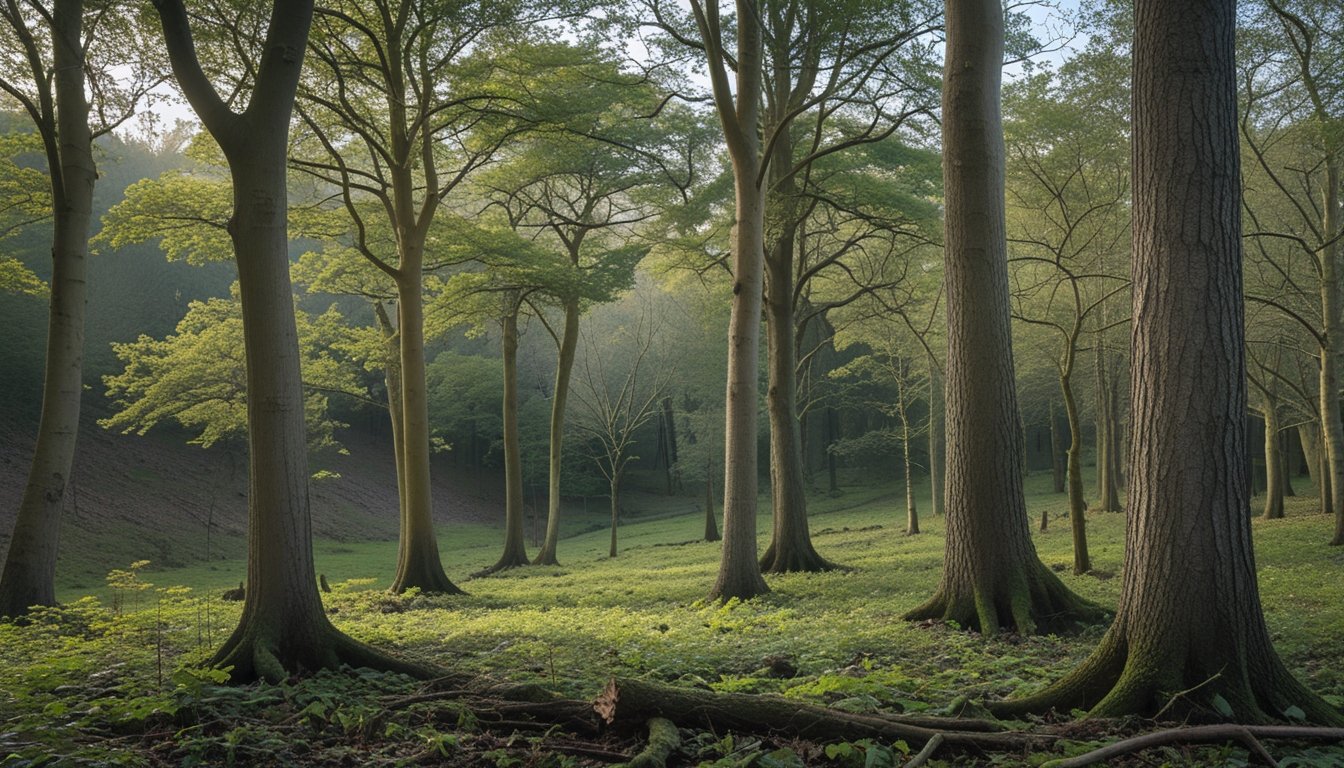
As we venture further into the world of UK native trees, we encounter a spectrum of factors influencing their growth. Variables such as soil quality, climate variations, and regional biodiversity play pivotal roles in determining how these trees mature and thrive. By studying these factors, we gain insights that aid in promoting healthier forests and green spaces.
The diverse landscape of the UK, from dense woodlands to urban parks, is shaped significantly by these native species. Our exploration seeks to uncover the essential dynamics at play in their growth and what implications these hold for maintaining the country's rich arboreal heritage.
Key Takeaways
- Native UK trees show diverse growth patterns.
- Soil, climate, and biodiversity affect tree growth.
- Understanding tree growth aids conservation efforts.
Key Patterns in Native UK Tree Growth
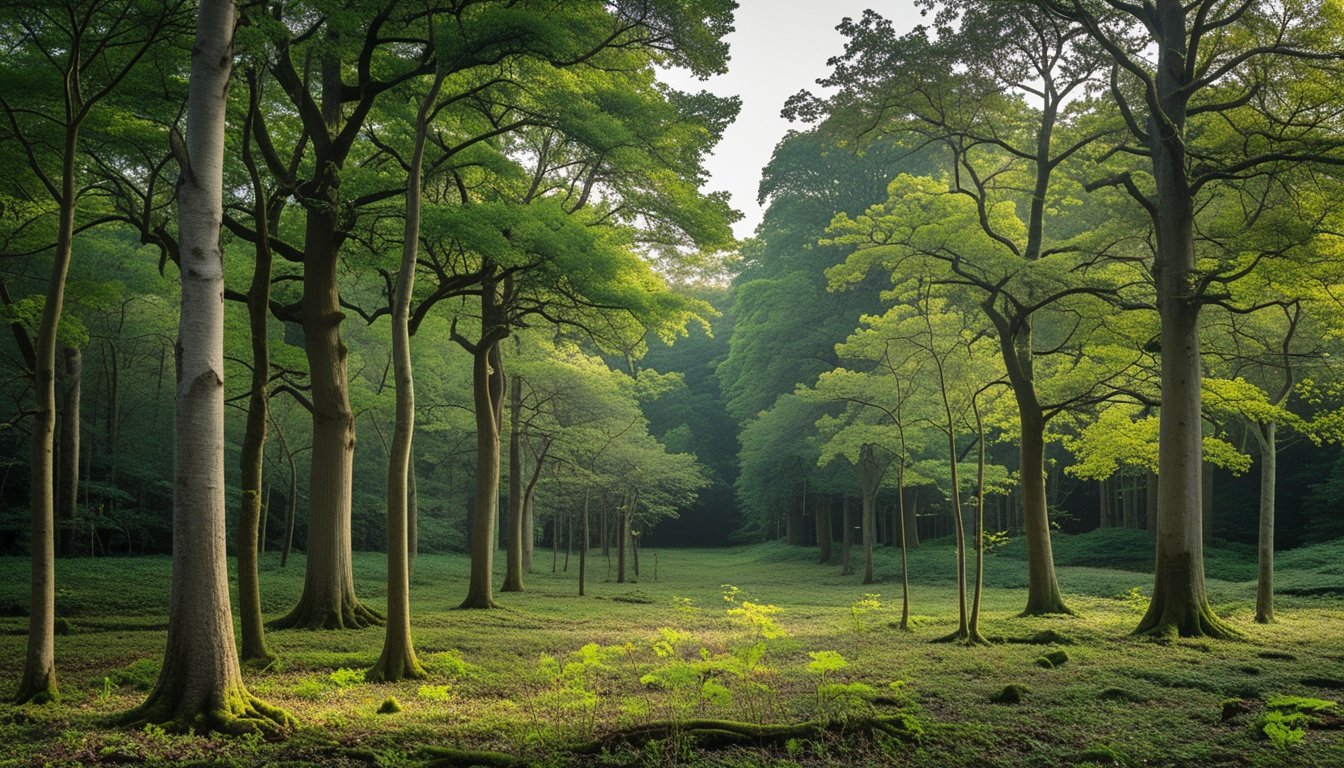
Native UK trees exhibit fascinating growth patterns influenced by a variety of factors such as species type and environmental conditions. By examining these patterns, including growth rate variations, interspecies differences, and habitat-specific trends, we gain insights into their ecological roles and adaptations.
Typical Growth Rates by Tree Species
Native trees in the UK show diverse growth rates. Quercus robur, or English Oak, is known for its slow growth, typically adding about 30-60 cm annually. On the other hand, the Silver Birch (Betula pendula) grows more rapidly, often exceeding 60 cm per year, making it a popular choice for quick reforestation. Meanwhile, Scots Pine (Pinus sylvestris) grows at a moderate rate of about 30-50 cm annually.
Wild Cherry and Sycamore exhibit more unpredictable rates but usually achieve substantial height over time. These growth patterns impact the use of these trees in conservation efforts and urban tree planting, where the speed of canopy development is crucial. Understanding these rates helps us plan for sustainable land management and biodiversity conservation.
Variations Among Major Native Species
The growth patterns of native species reflect adaptations to their specific ecological niches. Sessile Oak (similar to Pedunculate Oak) prefers well-drained soils and an upland setting, showing strong growth in optimal conditions. In contrast, Black Poplar is suited to wetter areas, often found near water bodies, and can grow rapidly when water availability is high.
Hawthorn and Field Maple have modest growth rates but are valued for their dense foliage and support of wildlife. These variations among species underscore the importance of selecting the right tree for specific planting objectives, as each species has unique needs and benefits. This knowledge guides us in promoting forest resilience and ecological health through informed species selection.
Distinctive Growth Trends in Different Habitats
The habitat significantly influences tree growth. Alder Buckthorn, often found in wetlands, displays robust growth in such conditions, providing crucial habitats for various species. Holly thrives in shaded woodland understoreys, offering evergreen foliage that stands out in the ecosystem. Meanwhile, Norway Maple adapts well to urban environments, showing tolerance to pollution and compacted soils.
Growth trends can also be observed in changing landscapes, where Grey Willow and Goat Willow adjust well to disturbed areas, often pioneering in floodplains and regenerating quickly after environmental changes. These habitat-linked growth trends highlight the adaptability of native trees to their surroundings, playing a vital role in maintaining biodiversity and ecosystem services.
Determinants and Implications of Tree Growth Patterns
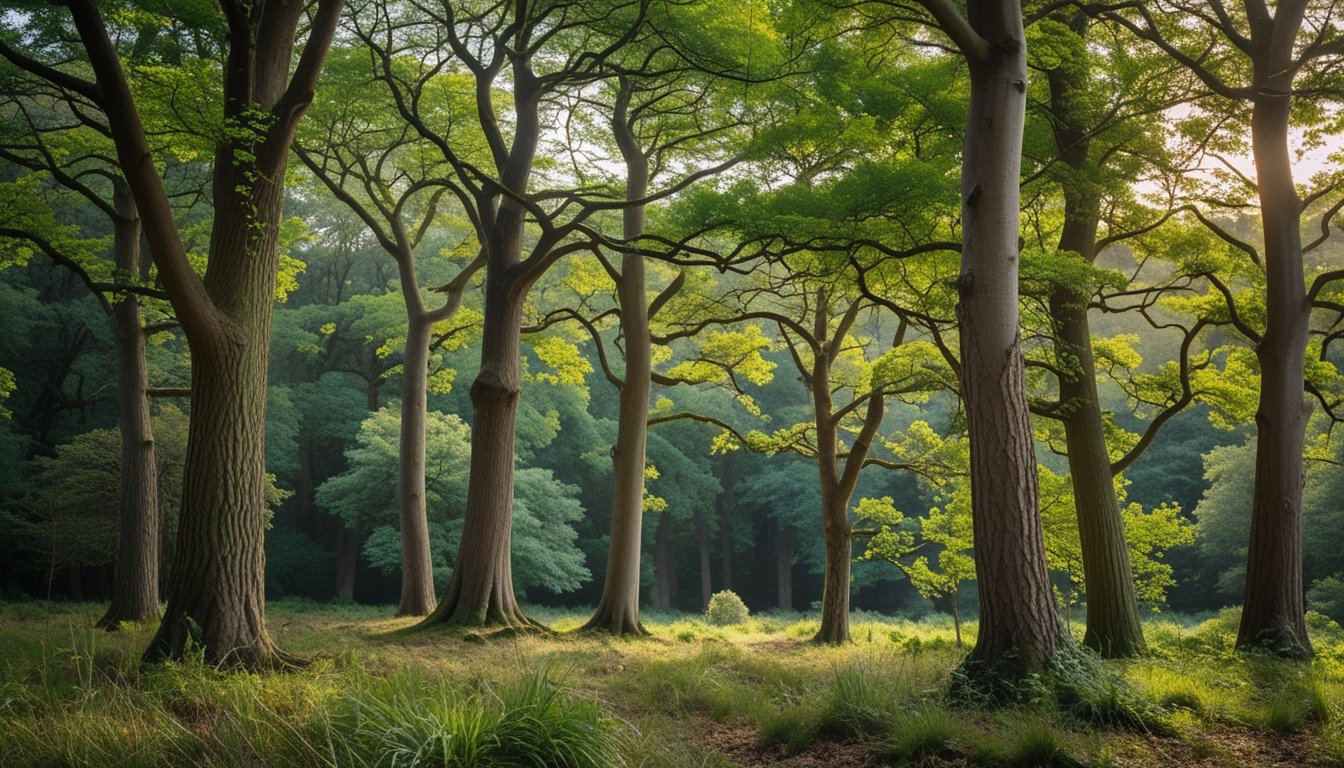
Understanding tree growth patterns is essential for managing forests and urban landscapes. Various factors, including environmental conditions, biological aspects, and human interventions, significantly influence these patterns. By measuring and analysing tree growth, we can effectively contribute to ecosystem services and make informed decisions for conservation.
Environmental and Biological Factors Affecting Growth
The growth of UK trees is influenced by a mix of environmental and biological factors. Climate plays a significant role, with temperature and precipitation patterns affecting growth rates. Soil types and their nutrient content can either inhibit or promote growth, depending on the species. Additionally, factors like sunlight exposure and water availability are crucial. Trees also face biological influences, such as genetic diversity within species, which can lead to variations in growth patterns. Diseases and pests present challenges, potentially stunting growth if not managed properly. Understanding these elements helps us predict and manage sustainable forestry practices.
Measuring and Analysing Tree Growth in the UK
To monitor tree growth, we employ various methods, including dendrochronology, which uses tree rings to gather data. This offers insights not just into growth rates but also historical climate conditions. The UK Tree Growth Rate Chart is a valuable tool for assessing species-specific growth variations. We also use models like i-Tree Eco, which help estimate growth rates and their environmental benefits. These measurements are crucial for improving forest management and informing policies. Accurate data aids in predicting how trees might respond to changing climates and in developing strategies to optimise forest health and productivity.
Management Practices and Conservation Contexts
Effective forest management practices are essential in promoting healthy tree growth and conservation. Organisations like the Woodland Trust and Forestry Commission play key roles in implementing sustainable forestry practices. We focus on selecting the right tree species for specific environments, prioritising native species that support biodiversity. Active planting and natural colonisation are strategies for afforestation and reforestation. In urban areas, urban forestry practices are employed to maintain tree health and provide green spaces. Conservation efforts must also consider the genetic diversity of tree populations, as this can influence resilience to environmental changes and diseases.
Role in Ecosystem Services and Urban Landscapes
Trees provide numerous ecosystem services, making their growth patterns integral to environmental health. In rural areas, trees contribute to regulating water cycles, sequestering carbon, and preserving soil quality. In urban landscapes, they offer cooling effects, reduce air pollution, and enhance the aesthetic value of spaces. Our strategy incorporates these benefits into urban planning, ensuring that green spaces are maximised for ecological and social benefits. By recognising the multifunctional role of trees, we can better manage our landscapes, support wildlife, and improve human well-being in both natural and urban settings.
Frequently Asked Questions
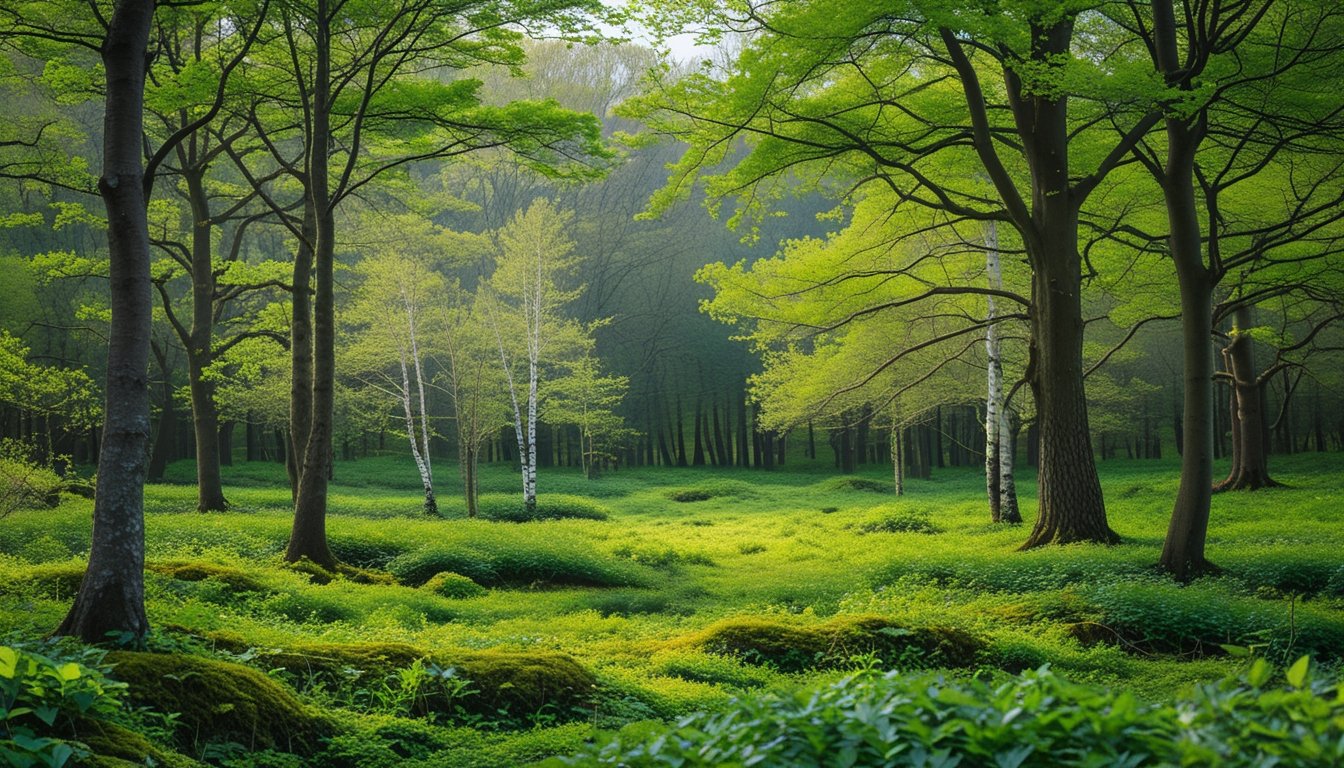
When exploring native UK tree growth, it’s essential to consider environmental factors like soil, rainfall, and species resilience. These elements influence growth rates and the adaptability of native species to changing climates.
What are the predominant factors influencing tree growth in the United Kingdom?
Tree growth in the UK is primarily influenced by climate, soil type, and species characteristics. Climate variations, including temperature and rainfall patterns, affect how trees develop. Additionally, soil quality and regional ecosystems play a significant role in determining the growth potential of different tree species.
How do annual rainfall patterns affect deciduous tree species in the UK?
Annual rainfall is vital for the hydration and nutrient uptake of deciduous trees. In regions with consistent rainfall, trees tend to have robust growth. Conversely, prolonged dry spells can stress trees, affecting their growth and vitality.
Which indigenous British tree species are the most resilient to climate change?
Some of the more resilient native species include the Scots Pine and the Silver Birch. These trees have adapted to diverse climates across the UK and are capable of withstanding variations in temperature and moisture levels, making them well-suited to cope with climate shifts.
What is the typical growth rate for oak trees in the UK?
Oak trees, such as the English Oak and Sessile Oak, typically grow at a moderate rate. They often reach an average height increase of 30 to 60 cm per year. Their growth rate can vary based on site conditions and age, with younger trees growing faster.
How do soil types across different UK regions impact native tree development?
Soil type greatly impacts tree development by influencing water retention and nutrient availability. For instance, loamy soils provide favourable conditions due to their balanced texture and fertility. In contrast, clay and sandy soils might require specific tree species that can tolerate their challenges.
What role do forest management practices play in the health of British woodland ecosystems?
Forest management is crucial for maintaining healthy woodland ecosystems. Practices such as controlled thinning, replanting native species, and managing invasive species help sustain biodiversity. These efforts ensure that native forests remain resilient and continue to support both wildlife and ecological balance.