
Late updated: 27 Dec 2025 09:12
Written by: Emily Thornton
Understanding The Benefits Of Rewilding In UK Gardens: Transformative Approaches
Rewilding is not just about returning lost species or making a garden appear wild; it's about breathing life back into our ecosystems and turning our gardens into vibrant habitats. By reintroducing native plants and minimising pesticides, we can boost biodiversity and create resilient, self-sustaining environments. As many UK species face challenges from changing landscapes and climate, our gardens can offer sanctuary and support needed for their survival.
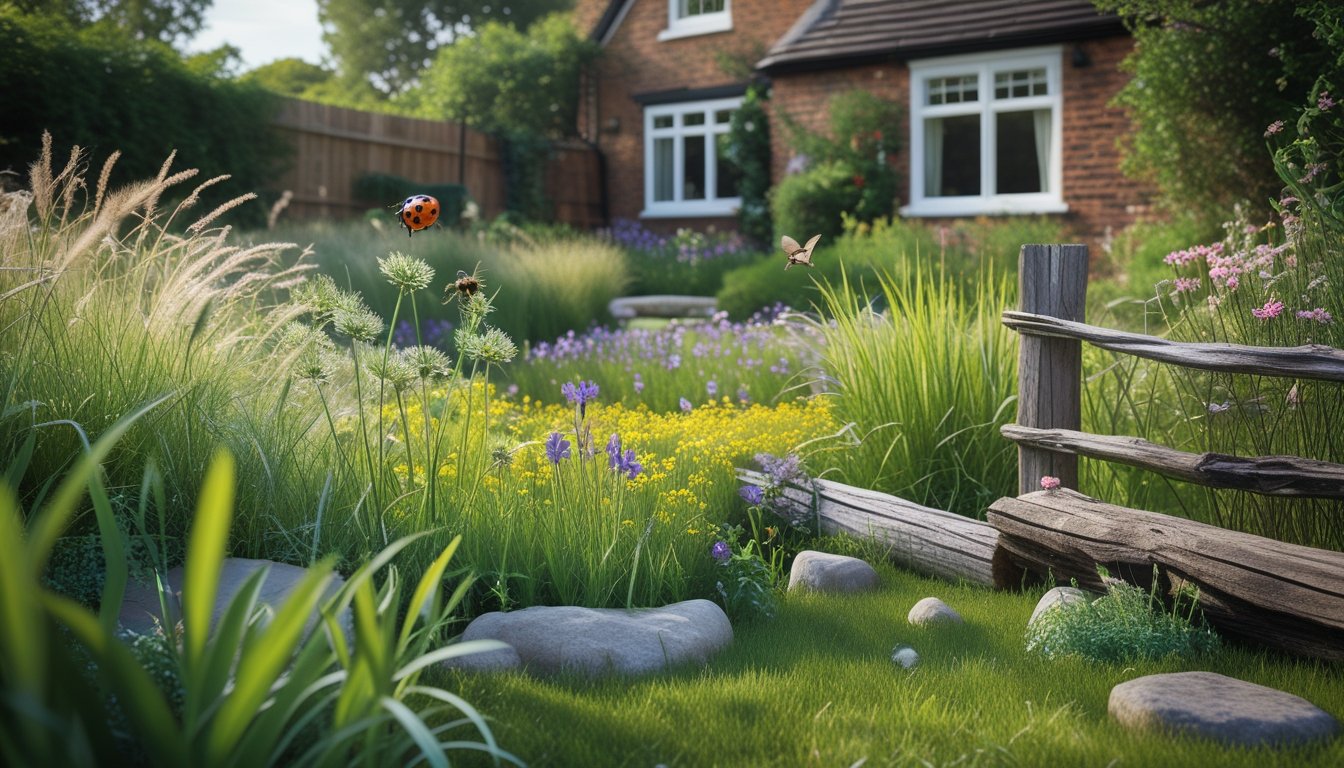
The idea of transforming cultivated patches into nature-friendly spaces may seem daunting, yet it brings profound benefits. These natural sanctuaries not only support wildlife but also enrich our own lives, providing a space for relaxation and connection with nature. The prospect of spotting rare birds or hearing a chorus of frogs can entice even the least curious among us to explore what's possible when we allow nature to flourish.
We are not alone in this effort. Many communities across the UK are embracing rewilding, creating collective corridors for wildlife and sharing experiences. As we venture into this transformative journey, practical steps such as choosing the right mix of plants and understanding local wildlife needs become essential. Let's explore these practices together and discover how we can collectively make a difference.
Key Takeaways
- Rewilding enhances biodiversity by adding native plants.
- Gardens can become habitats for local wildlife.
- Practical steps involve choosing plants and supporting wildlife.
Understanding The Benefits Of Rewilding In UK Gardens
Rewilding our gardens can play a vital role in boosting biodiversity by attracting native species and improving habitat connectivity. It strengthens soil health and enhances sustainability and climate resilience.
What Is Rewilding And Wilding
Rewilding refers to the process of restoring natural ecosystems by allowing nature to reclaim and reshape the land. In a garden setting, this means encouraging native plants and creating spaces that support wildlife. Wilding is similar but occurs on a smaller scale, such as in individual gardens or local community spaces. Our aim is to establish ecosystems that are self-sustaining and capable of supporting a variety of species. By incorporating elements like wildflowers, hedgerows, and native trees, we can transform our gardens into thriving mini-reserves. This approach not only benefits wildlife but also creates a more resilient and adaptable landscape that can better withstand environmental changes.
Enhancing Biodiversity And Native Species
Biodiversity is a crucial element in maintaining ecosystem health. By rewilding our gardens, we introduce a range of native species, from plants like foxgloves and elder to creatures such as bees, butterflies, and hedgehogs. Native plants provide nectar and pollen, which are vital for pollinators, and create a food source for birds and small mammals. Enhancing biodiversity in this way can result in improved pollination and stronger plant resilience. Wildlife gardens can serve as safe havens for many at-risk species, offering shelter and nourishment. Including native plants and companion planting not only boosts biodiversity but also reduces the need for chemical pest control, making our gardens healthier for all inhabitants.
Habitat Creation And Wildlife Corridors
Creating habitats within our gardens can significantly impact local wildlife. By introducing features such as meadows, ponds, and hedgerows, we provide essential resources and shelter for various species. Wildlife corridors, such as connected hedges and small woodlands, allow animals to move safely between habitats, promoting genetic diversity and reducing the risk of population isolation. These corridors are crucial for species like birds and mammals, who rely on continuous habitats to breed and find food. By fostering connectivity between our garden spaces and surrounding areas, we can help maintain robust wildlife populations and ensure the ongoing health of local ecosystems.
Soil Health, Sustainability, And Climate Resilience
Healthy soil is the foundation of a thriving garden and ecosystem. Rewilding contributes to improved soil health by increasing organic matter through composting and mulching. Native trees like blackthorn, ash, and elder play a significant role in enriching the soil structure. They offer valuable organic matter when leaves decompose, improving fertility and water retention. This approach aligns with sustainable gardening practices and reduces the need for artificial fertilisers. Furthermore, rewilding enhances climate resilience by creating microclimates that buffer extreme weather events. The diverse plant life contributes to carbon sequestration, further mitigating climate impacts. Through these methods, we build gardens that support both nature and community well-being.
Practical Steps And Considerations For Rewilding Your Garden
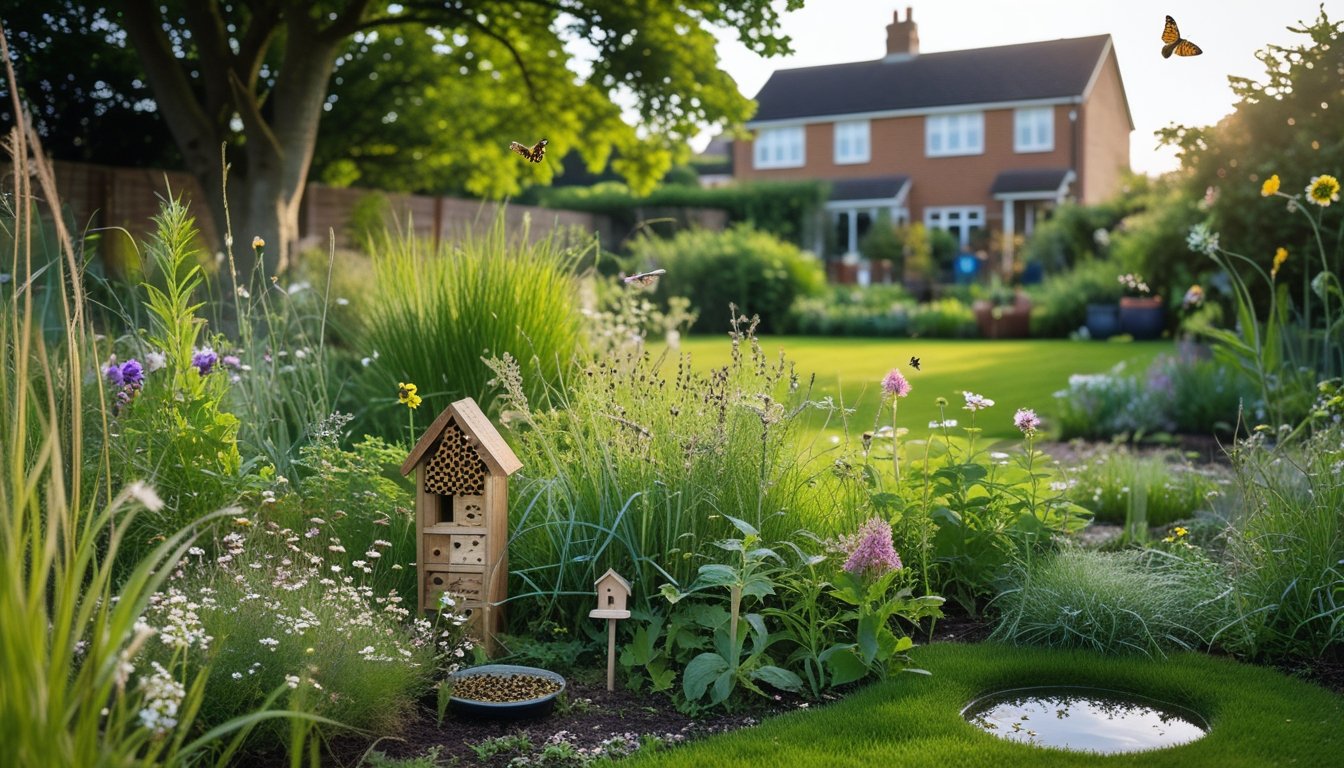
Rewilding your garden transforms it into a vibrant ecosystem that supports biodiversity. By assessing your existing landscape, carefully selecting plants, and creating habitats for wildlife, we can encourage diverse species to thrive.
Assessing Your Garden And Planning For Rewilding
Before embarking on our rewilding journey, it's essential to evaluate the current state of our garden. Identify existing plant species, noting any non-native or invasive plants. It's crucial to determine the soil type and current wildlife to understand how best to support their habitats. Creating a detailed plan, including zones for different habitats such as wetlands or woodlands, will guide us in restructuring our space effectively. Community support can also play a role; engaging with neighbours or local rewilding projects can provide additional insights and resources. The Knepp Estate serves as an inspirational example of large-scale rewilding success.
Choosing And Managing Plant Species
Selecting the right plant species is pivotal in rewilding efforts. We should prioritise native plants as they are adapted to local conditions and support native wildlife. Non-native plants, especially those considered invasive, should be controlled or removed to prevent them from disrupting local ecosystems. Mulching can be employed to suppress these undesirable species while helping retain soil moisture and improve fertility. Planting in layers, with trees, shrubs, and ground cover, mimics natural habitats and provides shelter for various creatures. Careful management of plant diversity is necessary to ensure a balanced ecosystem that supports a wide range of insects, birds, and mammals.
Supporting Wildlife With Features And Habitats
Creating habitats to support wildlife enhances the ecological balance of our garden. Adding bird boxes and nesting sites can attract birds that help control pests. Similarly, introducing water features or small wetlands can become essential habitats for amphibians and beneficial insects. Areas left to grow wild can provide shelter and food. Features such as beaver dams have even been used in larger rewilding projects to create rich wetland areas. Incorporating elements like logs for fungi and insects or floral plants for pollinators enhances biodiversity. Building a wildlife-friendly garden requires attention to diverse needs, fostering an environment where creatures flourish naturally.
Frequently Asked Questions
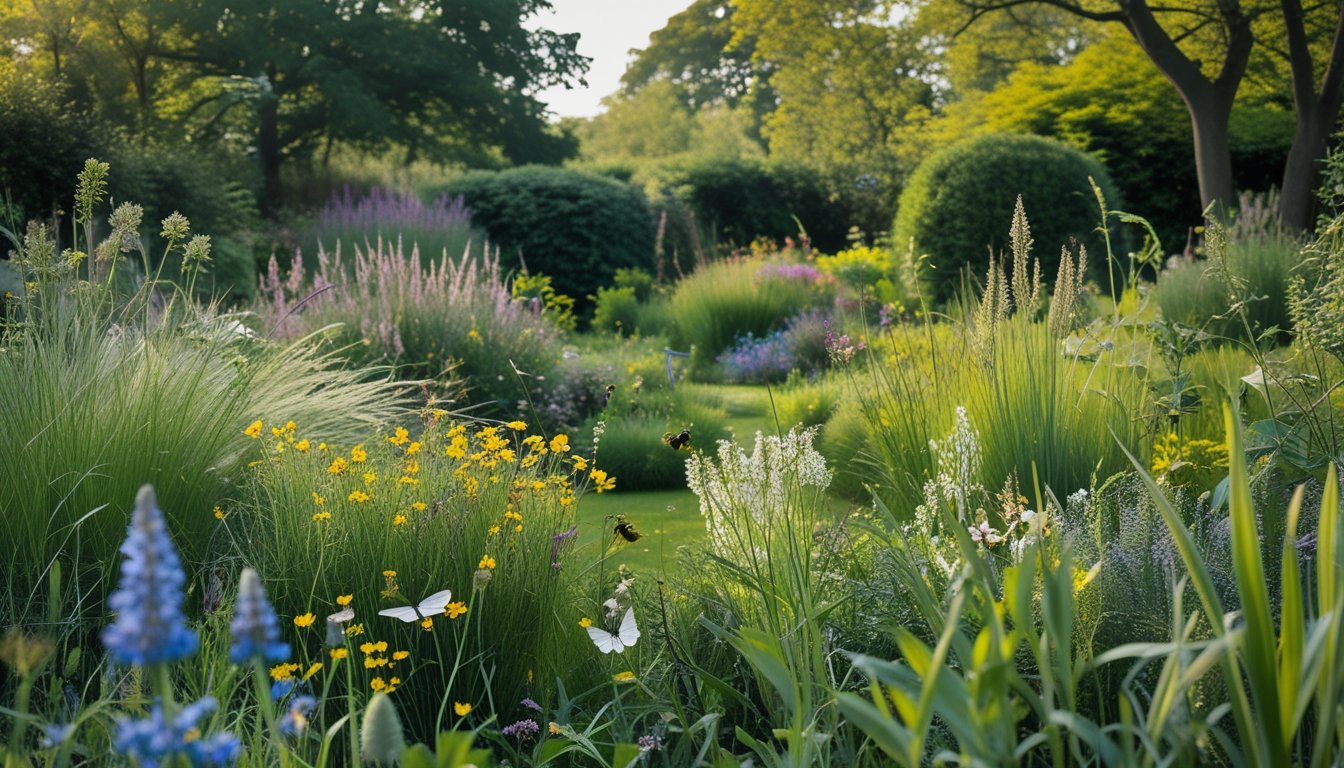
Rewilding UK gardens can deeply enhance biodiversity, aiding local ecosystems and providing significant benefits to native wildlife. By incorporating native plants and creating hospitable environments for pollinators, gardeners can make impactful contributions to nature conservation efforts.
What is rewilding and how can it benefit local ecosystems?
Rewilding involves allowing nature to guide the regeneration of ecosystems, restoring their natural processes. For local ecosystems, this means an increase in biodiversity, with wildlife like birds and small mammals thriving in these rejuvenated spaces. Healthy ecosystems also support resilience against climate changes and other environmental stresses.
How can gardeners in the UK contribute to biodiversity through rewilding efforts?
Gardeners can support biodiversity by planting native species, providing habitats, and creating wildlife corridors. This enhances the survival chances of creatures that rely on specific plants and landscapes. Every contribution, no matter the size, advances our shared goal of sustaining vibrant ecosystems.
What are the first steps to take when starting a garden rewilding project?
To start a rewilding project, assess your garden's current state and research suitable native plant species. Begin by removing invasive plants and replacing them with diverse native ones. Establish areas that support wildlife, such as ponds or hedgerows, to encourage a variety of species to thrive.
Which native UK plant species are most beneficial for attracting wildlife?
Oak trees, hawthorn, and wildflowers like cowslip and primrose are excellent choices. These plants provide essential food and shelter to numerous species, from insects to birds. Aim to plant a mix that blooms at different times, ensuring resources are available year-round.
How does rewilding a garden impact the presence of pollinators like bees and butterflies?
Native flowering plants and shrubs create an abundant source of nectar and pollen, which are crucial for bee and butterfly populations. By fostering an environment rich in native flora, we can directly support these vital pollinators, enhancing their numbers and diversity.
What measures can be taken to ensure the sustainability of a rewilded garden over time?
To maintain a rewilded garden, regularly monitor plant growth and health, manage invasive species, and maintain habitats. Adapt to changing conditions by observing which plants and practices are successful and adjusting plans accordingly. Engaging with local conservation groups can provide valuable resources and community support.