
Late updated: 03 Dec 2025 13:12
Written by: Emily Thornton
The Benefits Of Rainwater Harvesting In UK Gardens: Sustainable Solutions For Water Conservation
In the UK, where rain is a common companion to our gardens, many of us are turning to rainwater harvesting as an effective solution for sustainable gardening. Not only does this method decrease our reliance on mains water, but it also contributes to healthier and greener spaces. By capturing and using rainwater, we significantly reduce water bills and help conserve treated water for more critical uses.
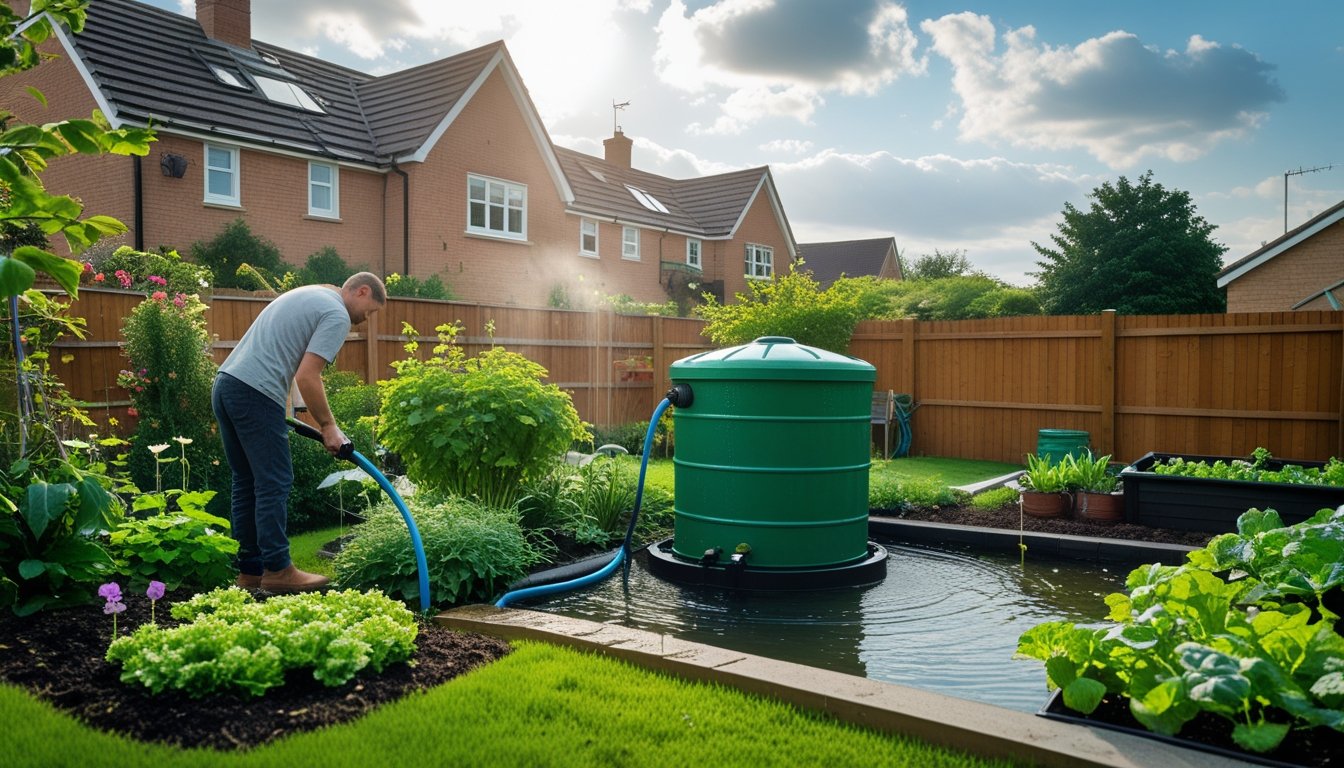
The process involves collecting rainwater from rooftops, directing it into storage systems like water butts, and utilising it for non-potable purposes such as watering plants and toilet flushing. It's a straightforward yet impactful practice that enhances our garden's sustainability and resilience against dry spells. This eco-friendly approach is not only cost-effective but also empowers us to take control of our water supply.
Key Takeaways
- Rainwater harvesting cuts water costs and conserves critical water resources.
- Storage systems like water butts enable easy utilisation of rainwater.
- Eco-friendly practices enhance UK garden sustainability and resilience.
Core Benefits Of Rainwater Harvesting In UK Gardens
Rainwater harvesting offers significant advantages for UK gardens, especially in terms of water conservation, flood management, and sustainable gardening practices. By capturing and utilising rainwater, we can enhance our gardens’ resilience to weather extremes and contribute positively to environmental conservation efforts.
Water Conservation And Drought Resilience
In the UK, with increasing periods of dry weather and potential droughts, conserving water is crucial. By harvesting rainwater, we can store substantial amounts of water during wetter times, creating a buffer against future shortages. This practice allows us to maintain vibrant gardens even during dry spells without placing additional strain on public water supplies. Additionally, using harvested rainwater aids in drought resilience by ensuring that plants receive water even when hosepipe bans are in place. This stored water supports the ongoing health of our gardens, promoting lush growth and aiding in the preservation of our local ecosystems.
Reducing Flooding And Preventing Erosion
Rainwater harvesting plays a vital role in mitigating flooding risks and preventing soil erosion. By collecting rainwater from rooftops and directing it into storage systems or rain gardens, we can significantly decrease the volume of runoff that contributes to urban flooding. This is particularly important in densely populated areas where hard surfaces dominate. Moreover, rain gardens act as natural sponges, soaking up excess water and reducing surface runoff. This prevents erosion and helps to stabilize soil structures, preserving the integrity of both our gardens and local landscapes. As a result, harvested rainwater reduces pressure on urban drainage systems and minimises flood risk.
Supporting Sustainable Gardening And Environmental Conservation
Integrating rainwater harvesting into our gardening practices fosters environmental conservation and encourages sustainable water management. By prioritising rainwater use over mains water, we can significantly lower our ecological footprint. Harvested rainwater, being naturally soft and free from chemical treatments, is ideally suited for garden use. This technique supports healthy plant growth while reducing our dependence on treated water, which often contains chlorine and other chemicals. Furthermore, as responsible stewards of our environment, we contribute to a broader environmental conservation effort by optimising the use of natural resources and promoting biodiversity within our gardens. This approach underpins a more sustainable future for urban and rural areas alike.
Practical Applications And Methods For Harvesting And Using Rainwater
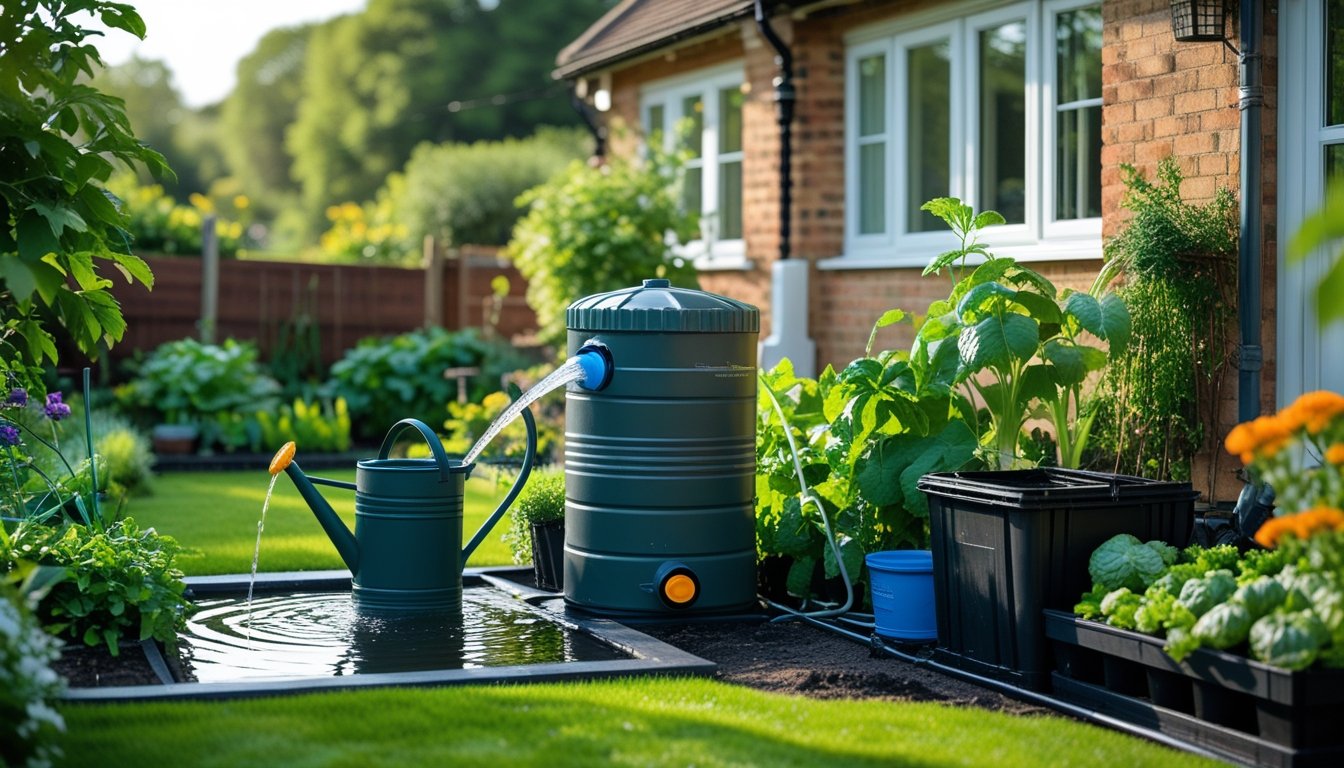
In the context of UK gardens, harnessing rainwater presents cost-effective and sustainable options for irrigation. Various systems can improve water efficiency while supporting plant health. Considerations around legalities and maintenance ensure long-term functionality of these systems.
Collection Systems And Key Equipment
Setting up a rainwater harvesting system begins with the right collection systems and equipment. A common approach involves connecting a gutter system to downspouts which channel water into large storage containers like rain barrels or water butts. These containers must be equipped with a mesh filter to prevent debris from entering.
For larger gardens, multiple connected rain barrels might be necessary. Permeable surfaces around the collection site can enhance absorption and reduce runoff. For those looking to invest further, advanced systems include pumps and filtration for increased efficiency and water quality. Selecting durable materials and ensuring all parts are properly installed will minimise leaks and maximise collection potential.
Efficient Irrigation Methods And Garden Uses
Once collected, efficiently using harvested rainwater in gardens is crucial. Drip irrigation systems and soaker hoses are among the best methods as they deliver water directly to flower beds and plant roots, thus reducing evaporation and waste. By using rainwater, we nurture plants with water free from chemical additives often found in treated tap water, promoting healthier growth.
Rainwater can also be used for other non-drinking purposes such as washing tools or maintaining compost moisture. By adjusting irrigation schedules to align with the weather, we avoid over-watering and make the most of the harvested rainwater. Installing timers or smart controllers can further optimise efficiency by automating the process based on weather forecasts.
Legal And Maintenance Considerations For UK Gardeners
In the UK, it's important for gardeners to be aware of any legal restrictions around rainwater harvesting. Generally, there are no strict regulations against collecting rainwater for garden use, but compliance with local guidelines on installation is required. Proper maintenance is similarly vital to ensure long-term function and efficiency.
Regularly inspecting collection systems for clogs and leaks prevents both wasting collected water and damaging the garden. Cleaning filters, removing debris from gutters, and ensuring that storage containers remain secure and free from algae or bacteria are essential steps. Maintenance schedules should be established to keep the system in optimal condition, safeguarding our investment and the health of our gardens.
Frequently Asked Questions
Rainwater harvesting offers numerous benefits for UK gardens, from reducing dependence on mains water to supporting sustainable water management. Let's explore practical benefits and considerations for efficiently implementing a rainwater system in your garden.
What are the primary advantages of installing a rainwater harvesting system in a UK garden?
Rainwater harvesting systems allow gardeners to collect and store rainwater for future use. This not only reduces reliance on expensive mains water but also provides a more natural irrigation source. Over time, this can lead to healthier plants and more robust garden ecosystems.
How can rainwater harvesting impact water bills for UK homeowners?
Using collected rainwater for garden irrigation can significantly decrease water bills. By replacing a portion of mains water with free, naturally sourced rainwater, homeowners can conserve treated water and lower costs.
In what ways does rainwater harvesting contribute to sustainable water management in the UK?
Rainwater harvesting promotes sustainable water management by capturing rainfall and reducing runoff, particularly in regions affected by water shortages. This practice helps maintain groundwater levels and supports local ecosystems by easing the demand on public water supplies.
Can rainwater be safely used to irrigate edible plants in UK gardens?
Yes, rainwater can safely be used to irrigate edible plants. Since rainwater is typically free from the chemicals often found in treated water, such as chlorine and fluorides, it poses less risk to plant health. However, it’s advisable to employ filtration systems to prevent any contamination from roof surfaces.
What are the legal considerations for setting up a rainwater harvesting system in the United Kingdom?
In the UK, there are generally no legal restrictions on collecting rainwater from your property for non-potable uses. It's important to ensure that systems are installed safely and maintained regularly to prevent contamination.
How does the climate in the UK affect the efficiency of rainwater harvesting in residential gardens?
The UK's climate, marked by frequent rainfall, is ideal for rainwater harvesting. Even during drier periods, a well-designed system can store enough water to sustain garden plants. Seasonal rainfall patterns mean systems should be adapted to handle varying amounts of water throughout the year.