
Late updated: 08 Dec 2025 12:12
Written by: Emily Thornton
Incorporating Healing Spaces With Native UK Plants: A Guide
Incorporating native UK plants into healing spaces transforms them into vibrant, therapeutic environments that offer numerous benefits to our physical and emotional well-being. These natural sanctuaries provide not just aesthetic pleasure but also promote mental clarity and stress relief, creating havens where we can disconnect from the hustle and bustle of modern life. Native plants like meadowsweet, nettle, and yarrow contribute to these green oases by fostering biodiversity and enhancing soil health.
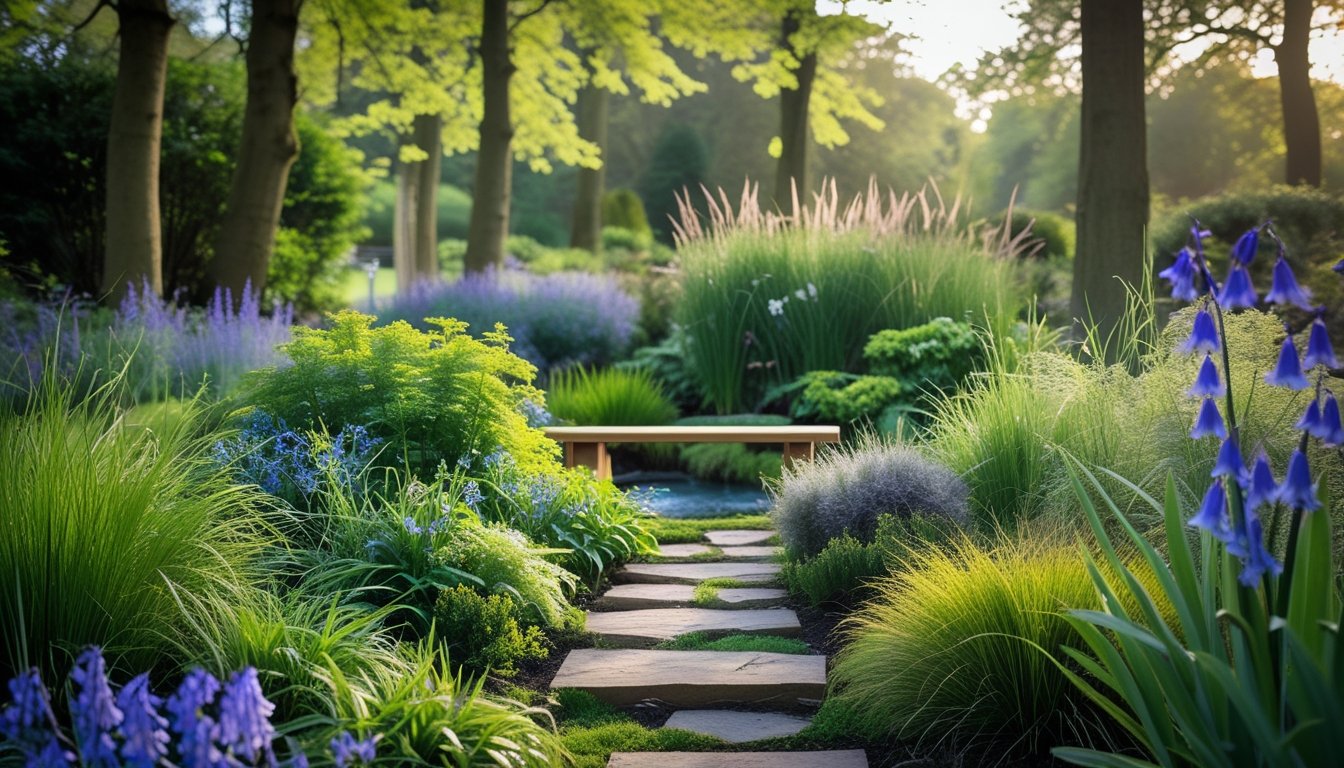
Our connection to nature can be significantly strengthened through the thoughtful design of healing spaces that harness the unique properties of indigenous flora. By carefully selecting plants indigenous to the UK, we can support local wildlife and create balanced ecosystems right in our back gardens. This approach not only aligns with sustainable gardening practices but also honours the rich botanical heritage of our landscapes, integrating cultural elements into personal wellness retreats.
Key Takeaways
- Native UK plants enrich healing spaces with biodiversity.
- Thoughtful plant selection boosts mental well-being and ecological health.
- Design with native flora supports sustainability and cultural heritage.
Key Principles of Healing Spaces With Native UK Plants
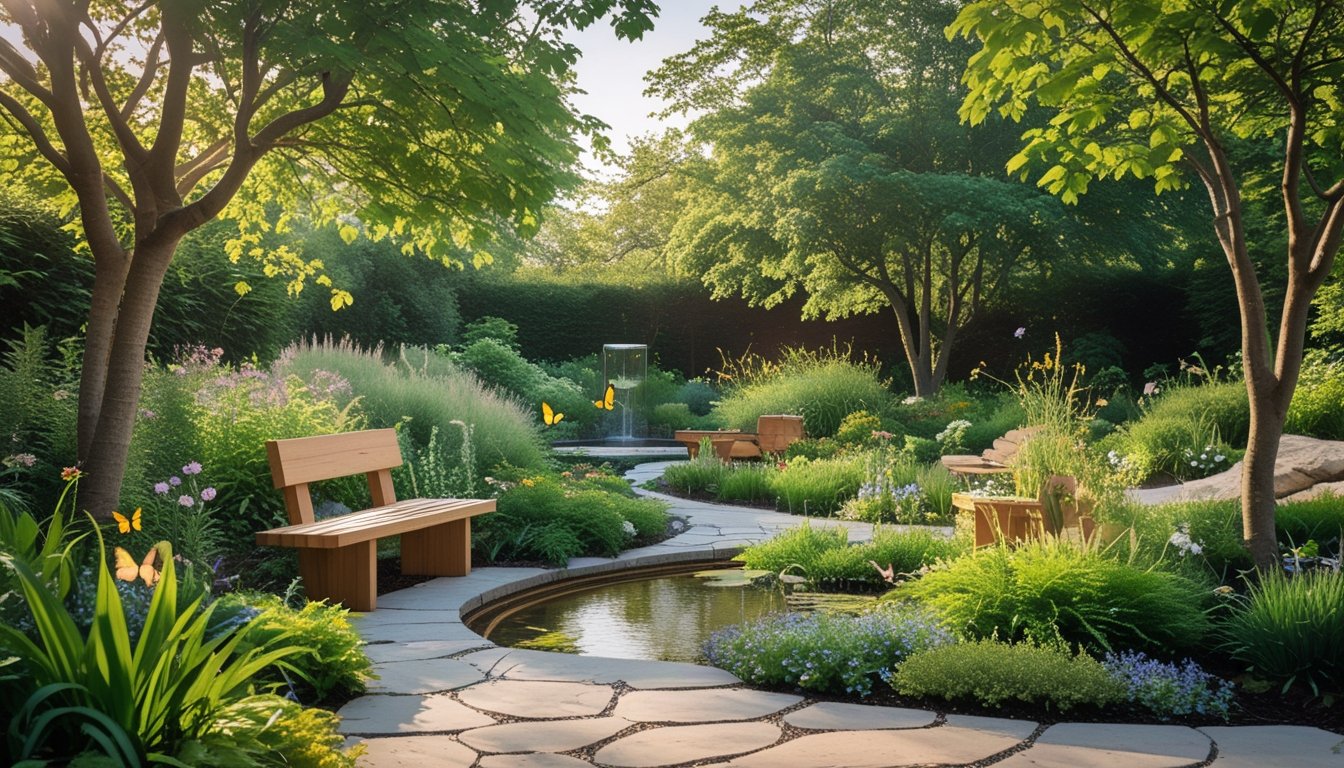
When we integrate native UK plants into healing spaces, we aim to create environments that enhance well-being and support the natural flow of energy. Key considerations include plant placement for optimal chi flow and strategic inclusion of water features for serene balance.
Understanding Healing Spaces and Garden Design
In British garden design, healing spaces are crafted with an innate appreciation for the natural environment. We focus on creating areas that promote physical and mental wellness through thoughtful design and layout. Drawing from historical practices, such as the use of herbs by Celtic druids, these gardens incorporate medicinal plants like meadowsweet and nettle, which provide both aesthetic and therapeutic benefits.
Designing a healing garden requires a deep understanding of the space’s purpose. We consider elements such as paths for easy accessibility, seating areas for relaxation, and zones for quiet reflection. Attention to sensory engagement is also vital, using native flora to stimulate the senses through varied fragrances, textures, and colours. This holistic approach ensures a harmonious balance between nature and human interaction, fostering a therapeutic environment.
Optimising Chi and Energy Flow With Native Plant Placement
Chi, or life energy, plays a significant role in the design of healing spaces. We believe the strategic placement of native plants helps optimise this flow, creating a more balanced and restorative garden atmosphere. By using plants like yarrow and marigold, known for their healing properties, we can enhance the garden's energetic potential.
To achieve optimal energy flow, we suggest placing taller plants near garden boundaries or behind seating areas, serving as protective elements. Groundcover plants, such as clover, can fill spaces between larger plants, ensuring vitality is evenly distributed. Pathways should be gently curved, encouraging smooth energy movement without abrupt interruptions. This thoughtful arrangement supports a calming and inviting space, where visitors can feel rejuvenated.
Incorporating Water Features for Balance and Serenity
Water features are essential components of healing gardens, bringing a sense of tranquillity and balance. They help reflect the dynamic yet soothing nature of water, promoting emotional and spiritual well-being. We find that incorporating natural elements like ponds, small waterfalls, or even birdbaths can greatly enhance the sensory experience.
In British gardens, positioning water features in central or focal areas can act as anchors, drawing chi inwards and encouraging meditative reflection. The sound of gently flowing water provides auditory stimulation, reducing stress and enhancing relaxation. Moreover, such features attract wildlife, contributing to a vibrant ecosystem that supports biodiversity. Through this connection to nature, we foster a deeper sense of peace and quietude within the healing space.
Essential Native UK Plants for Healing Spaces
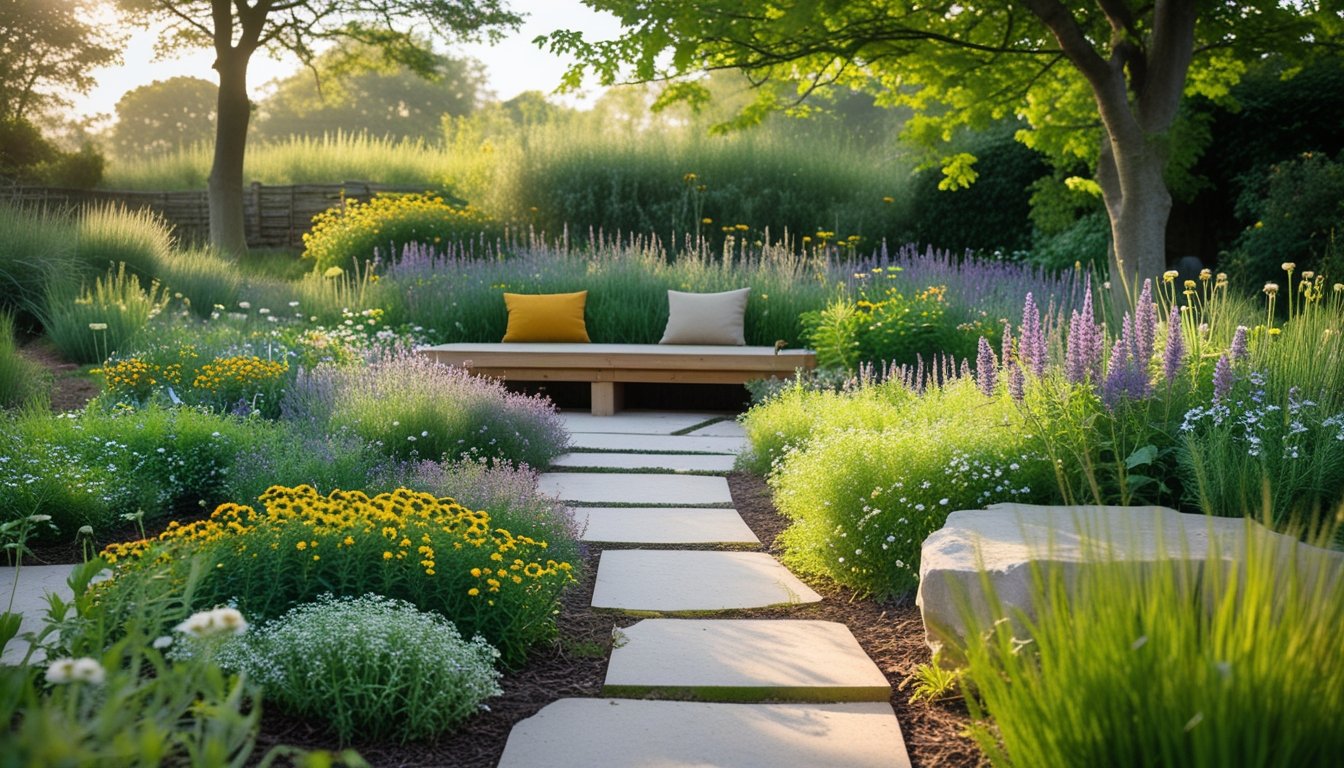
Exploring the healing potential of native UK plants offers us a way to enhance well-being in our gardens. Elderflower, nettle, and aromatic herbs such as chamomile are fundamental to crafting spaces that nurture both body and mind.
Medicinal Herbs and Their Holistic Benefits
The use of medicinal herbs within a garden can transform outdoor spaces into a sanctuary for health and wellness. Herbs like rosemary and sage are not only valued for their culinary applications but also for their therapeutic benefits. Healing herbs such as yarrow and achillea millefolium have been historically renowned for their abilities to soothe and heal. Yarrow, for instance, is applied in the treatment of cuts and bruises, while rosemary is used to invigorate and improve circulation. Integrating these plants into our gardens provides a holistic approach to wellness, allowing us the practicality of both aesthetic beauty and functional health benefits in one harmonious space.
Spotlight on Elderflower, Elderberry, and Sambucus nigra
The elder, or Sambucus nigra, is a majestic addition to any healing garden, offering both visual appeal and numerous benefits. Elderflowers are often used in herbal teas and remedies, believed to alleviate cold symptoms and respiratory issues. Meanwhile, elderberries are rich in antioxidants and considered effective in supporting immune health. These berries are frequently used in syrups and supplements, providing a natural way to boost our defences during cold seasons. Growing these plants in our gardens not only contributes to our health but also supports local biodiversity, as they serve as a habitat for various wildlife.
The Therapeutic Power of Nettle and Urtica dioica
Stinging nettle, or Urtica dioica, is another versatile plant that plays a vital role in healing spaces. While often considered a weed, nettle offers a plethora of health benefits. Rich in nutrients, nettles are used in teas and soups to provide vitamins and minerals like iron and vitamin C. Beyond its nutritional value, nettle has anti-inflammatory properties, making it useful in herbal remedies for arthritis and joint pain relief. Cultivating nettle in our gardens requires careful management due to its invasive nature, yet its health advantages and ecological importance make it a valuable inclusion.
Incorporating Aromatic Plants: Chamomile, Mint, Rosemary, Sage, and Yarrow
Aromatic plants can significantly enhance the sensory experience of our healing spaces. Chamomile is admired for its calming properties and is commonly used in teas to promote relaxation and better sleep. Mint is another fragrant herb that invigorates the senses and aids in digestion, often utilised in both teas and culinary dishes. Rosemary and sage are invaluable for their aromatic qualities and potential cognitive benefits, while yarrow offers both its feathery foliage and medicinal properties to the garden. Incorporating these aromatic herbs enriches our healing spaces with a multi-sensory dimension, fostering an environment where serenity and wellness intertwine seamlessly.
Frequently Asked Questions
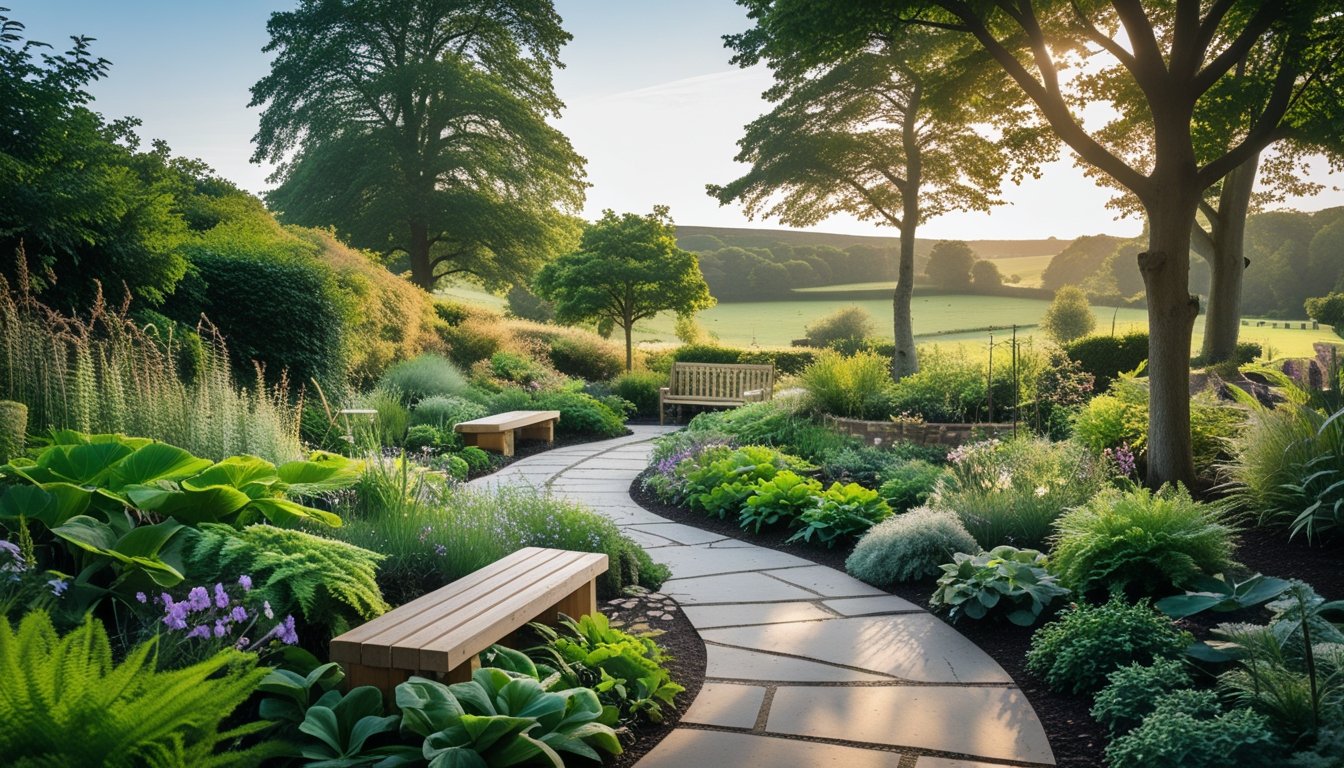
Incorporating healing spaces with native UK plants involves selecting specific flora for therapeutic gardens, considering design elements, and understanding how biodiversity can be enhanced. The following sections highlight crucial considerations for each aspect of these garden spaces.
What are the best native UK plants for creating a therapeutic garden?
Several native UK plants are ideal for therapeutic gardens, including meadowsweet, nettle, and yarrow. These plants are recognised for their traditional healing properties and abundance in the UK countryside. Including such species can foster a sense of connection to local heritage and provide various sensory benefits.
How can planting design influence the healing properties of a garden space?
Careful design can greatly enhance the healing qualities of a garden. By arranging plants to promote sensory engagement, visual appeal, and accessibility, we can create environments that support mental clarity and relaxation. Strategic placement of specific plant types can also encourage wildlife and improve overall ecosystem health.
Which UK native plants require the least maintenance in a healing garden setting?
Creating a low-maintenance garden can be achieved by selecting hardy native species such as wild thyme, primrose, and foxglove. These plants adapt well to local climates and soil, thriving with minimal intervention. They offer beauty and ecological benefits while requiring little upkeep.
What aspects should be considered for maximising biodiversity in healing spaces with UK flora?
To maximise biodiversity, it's important to consider a variety of plant types and ensure year-round flowering and seeding. This supports pollinators and other wildlife. Emphasising diverse habitats, like wildflower areas and hedgerows, also contributes to an enriched ecosystem.
How can sensory gardens be designed using plants indigenous to the United Kingdom?
Sensory gardens can be enriched by incorporating a mix of textures, scents, and colours. Native plants like lavender, honeysuckle, and birch provide distinct sensory experiences that engage touch, smell, and sight. Enhancing these sensory elements can create a truly immersive natural experience.
In what ways do seasonal changes impact the therapeutic benefits of UK native plant gardens?
Seasonal changes can influence the visual and sensory dynamics of a garden. Spring and summer provide lush growth and vibrant blooms, fostering a lively atmosphere. Autumn's colours and winter's structural beauty can offer solace and reflection, ensuring the garden remains engaging throughout the year.