
Late updated: 25 Dec 2025 11:12
Written by: Emily Thornton
Guidelines For Pruning Native Trees In UK Gardens: Essential Tips and Best Practices
Pruning native trees in UK gardens can seem like an intimidating task, but it's an essential practice for ensuring the health and beauty of our landscapes. Pruning not only maintains their shape and size but also promotes healthier growth by removing dead or disease-prone branches. This careful practice helps manage space and enhances the aesthetic appeal of our gardens.
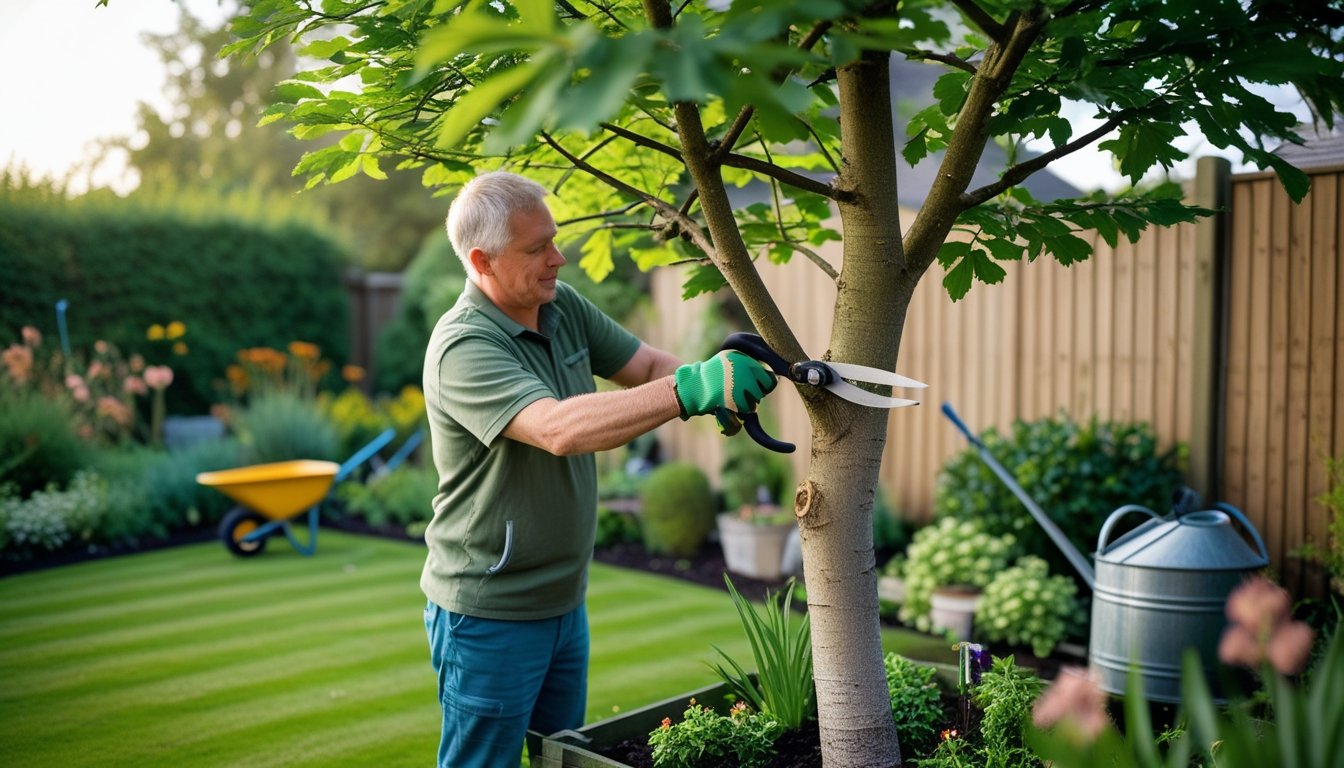
Knowing the best time to prune is crucial. Native trees often benefit from pruning during the dormant season, typically from late autumn to early spring. During this period, the tree’s energy reserves are concentrated, and the likelihood of disease transmission is lower. With the right timing and tools, pruning becomes a task that enriches our horticultural endeavours.
Effective pruning is a blend of science and art. Using appropriate tools like pruners and loppers, combined with the right techniques, makes all the difference. We focus on removing dead or crossing branches first, adopting techniques that foster robust and balanced growth. With a little know-how, our trees can thrive beautifully, enhancing the surrounding environment.
Key Takeaways
- Prune during the dormant season for best results
- Use the right tools and techniques for healthy growth
- Focus on removing dead, diseased, or crossing branches.
Key Guidelines For Pruning Native Trees In UK Gardens
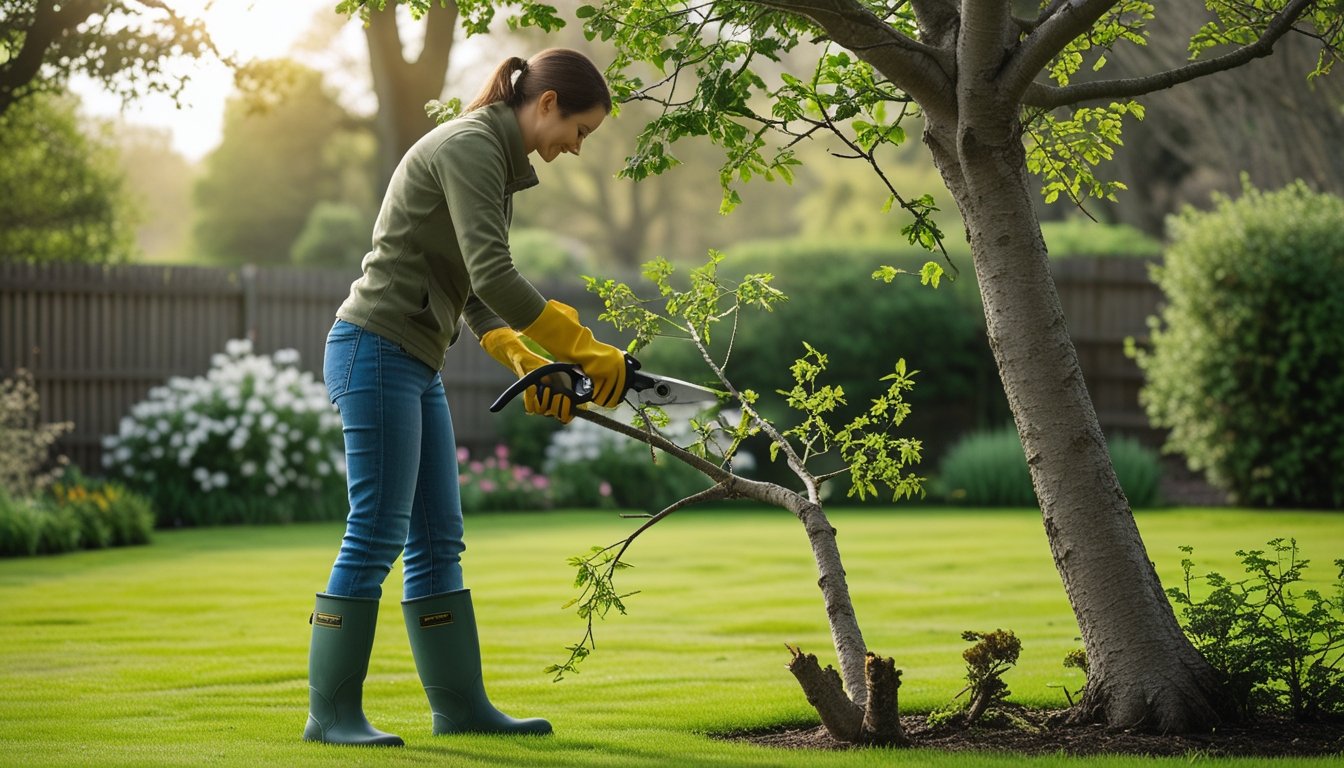
Pruning native trees in UK gardens is crucial to maintaining their health, structural integrity, and aesthetic appeal. Proper techniques help prevent disease and manage growth effectively. It's essential to understand which species can be pruned, the appropriate timing, and the common mistakes to avoid.
The Importance Of Pruning For Tree Health And Safety
Pruning plays a vital role in tree care, serving both health and safety purposes. By removing dead, diseased, or hazardous branches, we reduce the risk of accidents caused by falling limbs. It encourages healthy growth and can improve the tree's resistance to wind damage. Formative pruning is particularly important for young trees, such as Malus sylvestris (crab apple), allowing us to guide their shape and form. This not only promotes aesthetic value but also enhances their longevity. It's important to be aware that over-pruning can stress trees, so techniques must be applied judiciously. Certified arborists or tree surgeons are invaluable resources for managing more complex pruning tasks, ensuring adherence to practices aligned with the British Standard for tree care.
Recognising Native UK Tree Species Suitable For Pruning
Several native UK species benefit from regular pruning. Hazel, rowan, dogwood, and holly are examples that respond well to pruning, helping maintain their health and size. Each species has its unique characteristics and pruning tolerance. For instance, hazel typically requires pruning to promote nut production and maintain shape. Rowan, admired for its berries, benefits from health-focused pruning to remove diseased branches. When considering pruning, it's useful to consult guides or the Arboricultural Association to better understand species-specific requirements. Understanding these nuances is fundamental to preserving the ecological balance and beauty of our gardens.
Determining The Best Time To Prune Different Tree Types
Timing in pruning is key for optimal outcomes. Generally, the dormant season, late autumn to early spring, is best for pruning many trees, minimising stress and exposure to disease. However, species like cherry need summer pruning to prevent silver leaf disease and bleeding sap issues. For fruit trees, such as apple varieties and Malus sylvestris, winter pruning is ideal for promoting growth and fruit yield. Understanding these cycles aids in scheduling. Pruning at the wrong time can weaken trees, making awareness essential to successful tree care in our gardens.
Understanding Common Pruning Mistakes To Avoid
Avoiding common pruning mistakes helps in maintaining tree health and appearance. Over-pruning is a frequent error, which can weaken trees, making them susceptible to disease. Pruning incorrectly positioned cuts can lead to unhealed wounds, leaving trees vulnerable. Always cut just outside the branch collar to promote healing. Failing to remove crossing or rubbing branches can cause structural integrity issues over time. Ignoring disease symptoms, such as signs of silver leaf disease, worsens problems. By being mindful of these mistakes, we can ensure trees thrive. Regular check-ups and consulting experienced arborists enhance our ability to effectively manage trees.
Effective Pruning Techniques And Tools For UK Gardens
Pruning is vital for maintaining the health and beauty of trees in UK gardens. Our focus will be on essential tools and their safe operation, specific pruning methods for promoting healthy growth, choosing the right techniques for different tree types, and aftercare practices for long-term maintenance.
Essential Pruning Tools And Their Safe Use
To ensure effective pruning, using the right tools is paramount. For smaller branches, hand pruners or secateurs are ideal, while loppers are used for thicker branches. A pruning saw is necessary for large branches, ensuring clean cuts without damaging the tree. Pole pruners reach higher branches, safeguarding against climbing risks. Protective gear, including gloves and eye protection, aids in personal safety.
Regularly maintaining the sharpness of these tools is crucial to reduce the effort required and prevent injuries. It's equally important to clean the tools after use with a disinfectant to minimise disease spread. This careful handling not only increases the longevity of the equipment but also ensures the tree's health.
Step-By-Step Pruning Methods For Healthy Growth
Proper execution of pruning methods can significantly enhance a tree's growth and appearance. Begin by identifying and removing any crossing branches or those that can cause damage. Remove water sprouts and suckers at the base, as they drain the tree's resources.
The focus should be on creating an open canopy to allow sunlight to penetrate, improving air circulation. Techniques like crown thinning, crown lifting, and crown reduction are employed for specific purposes. When making cuts, always cut back to the branch collar to promote healing, avoiding damage at the trunk.
Selecting The Correct Pruning Technique For The Tree
Understanding each tree's unique needs is essential for choosing the correct pruning technique. For most deciduous trees, winter pruning encourages vigorous growth in the spring, while summer pruning can help tame excessive growth. Crown thinning reduces bulk without altering the shape, whereas heading back encourages bushy growth.
Crown lifting raises the canopy to allow more space underneath, and pollarding keeps trees artificially smaller and promotes dense foliage. Always tailor these methods to each tree's growth patterns and size, ensuring that the garden remains both functional and aesthetically pleasing.
Maintaining Pruned Trees: Aftercare And Long-Term Maintenance
Post-pruning care maintains a tree's health and appearance over time. Mulching the base with organic matter improves soil fertility and moisture retention. Regular inspection for new growths, such as water sprouts, ensures they can be addressed promptly.
Long-term maintenance involves consistent pruning schedules dictated by each tree species' needs. Annual pruning is recommended for young trees, while mature trees may benefit more from pruning every few years. Implementing seasonal pruning, such as early spring pruning or autumn pruning, aligns with natural growth cycles, promoting resilience and bloom health.
Continued garden maintenance guarantees that the landscapes we treasure remain beautiful and thrive throughout the seasons. By following structured pruning guidelines, we help our native trees flourish.
Frequently Asked Questions
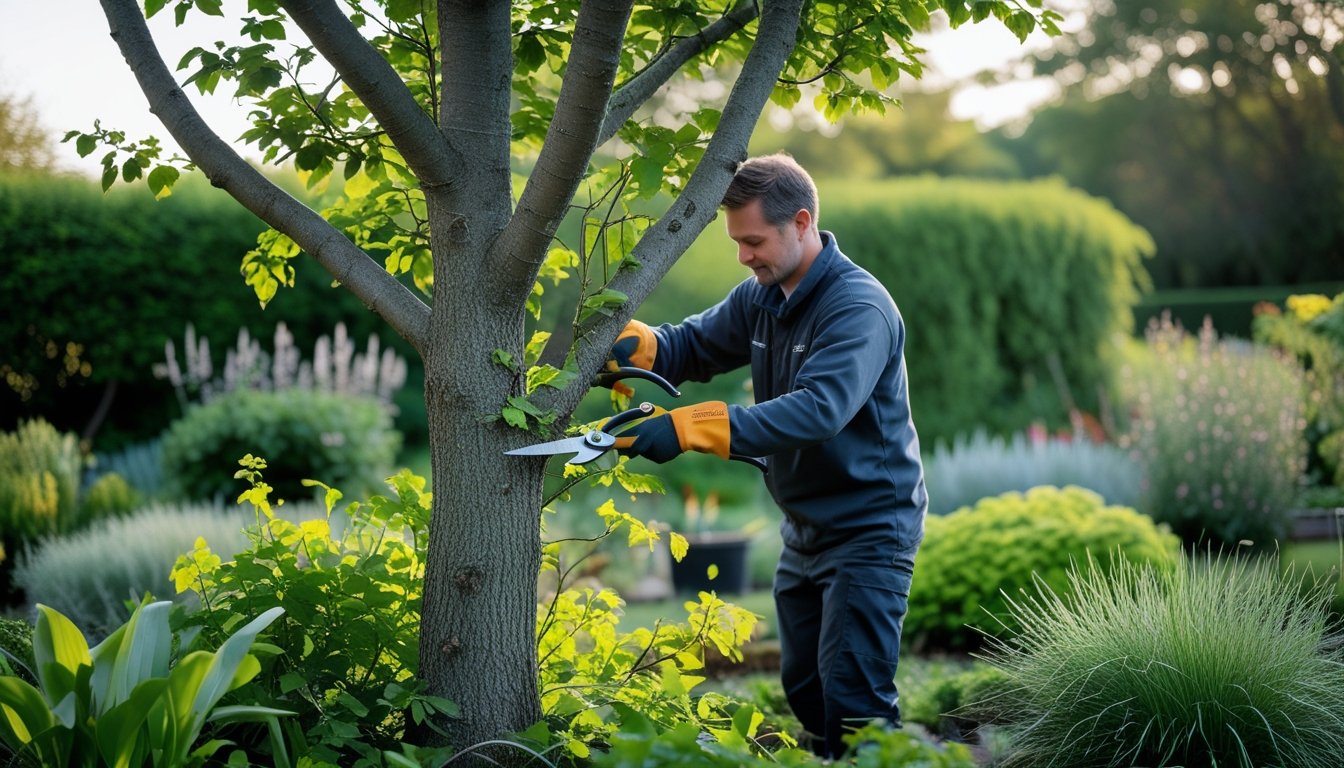
When considering pruning in the UK, it's essential to understand the timing, legal aspects, techniques, and how they affect tree health. These facets are crucial to maintaining the vitality and aesthetics of native UK trees in our gardens.
What is the best time of year to prune native UK trees in my garden?
Pruning is ideally done during the dormant season, from late autumn to early spring. This helps to minimise stress on the trees and encourages stronger growth in the new season.
Are there any legal restrictions on pruning trees in the UK I should be aware of?
Yes, in the UK, specific legal restrictions exist to protect trees, especially those with preservation orders. It's vital to check local regulations before starting any pruning work to ensure compliance and avoid penalties.
How much of a tree's growth can I safely remove during pruning?
Generally, we recommend not removing more than 25-30% of the tree's canopy at one time. Excessive pruning can harm the tree’s health and stress its structure.
Can pruning native UK trees improve their health and longevity?
Indeed, when done correctly, pruning can enhance a tree's lifespan. It removes diseased or dead branches and allows for better airflow and sunlight penetration.
What precautions should I take to ensure proper pruning techniques for native trees?
Using the right tools and maintaining them in good condition is crucial. Sharp tools make clean cuts, reducing the risk of disease. Also, targeting the right branches and making cuts at proper angles are key practices.
How can I identify which branches should be pruned from my native UK trees?
Focus on removing dead, diseased, or crossing branches. Additionally, any branches that cause the tree to have an unbalanced shape or rub against each other should be considered for removal.