
Late updated: 11 Dec 2025 08:12
Written by: Emily Thornton
Exploring The History Of UK Native Plant Cultivation: A Comprehensive Overview
The history of UK native plant cultivation is as rich and diverse as the flora itself, spanning centuries of exploration and adaptation. From the early domestication near homes to modern horticultural practices, native plants have played a crucial role in shaping the British landscape and culture. Understanding the journey of these native species helps us appreciate not just their historical significance but their essential role in biodiversity today.
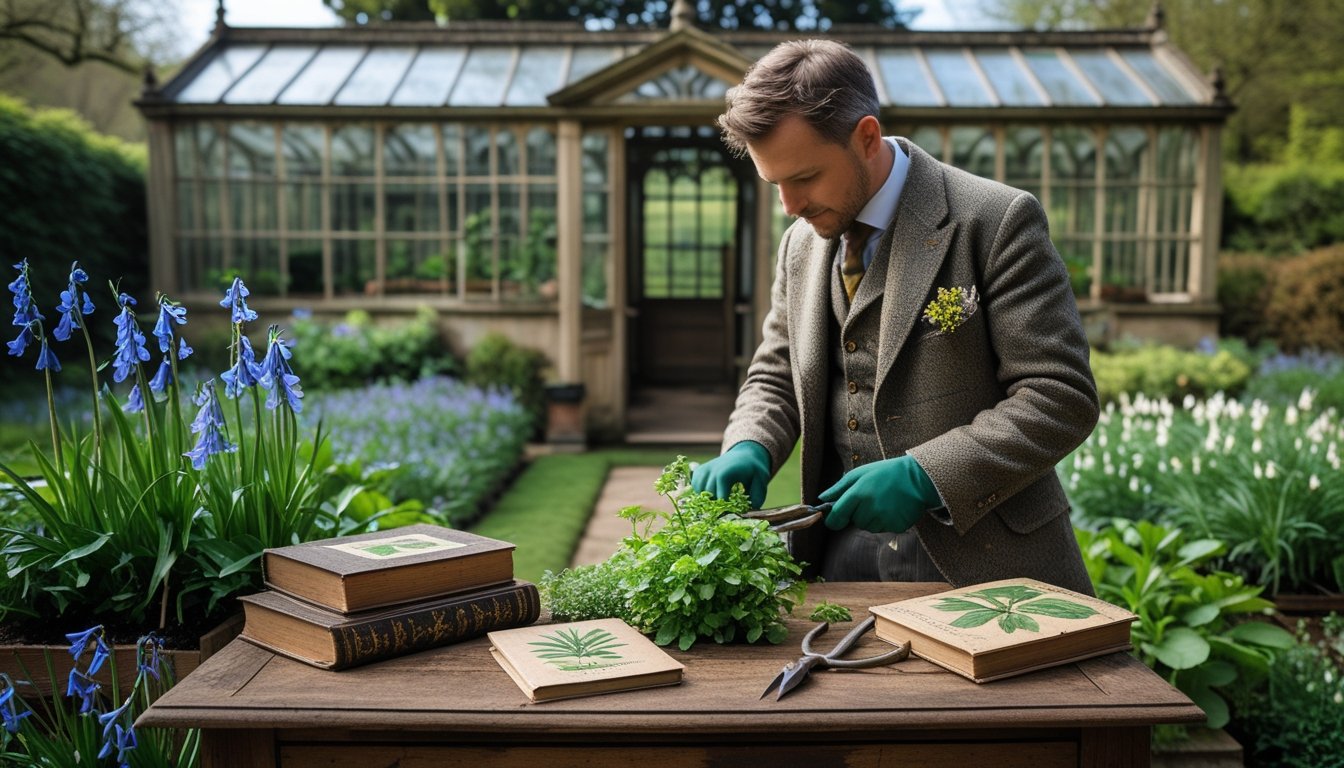
With an array of climate conditions and geographical variations, the UK offers a unique environment for native plant species to thrive. The cultivation efforts over the years have not only preserved these species but also highlighted the influence of non-native plants introduced through past exploration and trade. Balancing the presence of these diverse plant species with native ones remains a contemporary challenge as we navigate ecological balance and conservation.
Current efforts are focused on maintaining this balance by fostering native plant growth while managing the invasive species that threaten biodiversity. Native plants, celebrated for their adaptability and ecological benefits, are pivotal in promoting sustainable gardening and conservation practices. As we delve deeper into this exploration, it becomes clear that the cultivation of native UK plants is key to understanding broader environmental truths and challenges.
Key Takeaways
- Native plants are vital for biodiversity and cultural history in the UK.
- Historical and contemporary cultivation practices focus on balancing native and non-native species.
- Sustainable gardening and ecological balance are ongoing challenges in the UK.
Key Developments in the Cultivation of UK Native Plants
In the history of UK native plant cultivation, several developments have significantly influenced the way these plants are understood and used. From early domestication efforts to the impact of foreign species, we've seen crucial shifts in botanical knowledge and garden practices.
Early Use and Domestication of Native Plants
Native plants have been part of the British landscape for millennia, used traditionally for culinary, medicinal, and ornamental purposes. Early settlers began by harnessing the utility of plants like hazel for its nuts and willow for its fibrous wood. Domestication involved selecting and cultivating plants with desirable traits, such as high yield or aesthetic appeal. This practice laid the groundwork for more sophisticated horticultural techniques. Historical records suggest a rich interplay between native plant use and the development of community traditions.
Notable Botanists and Their Contributions
The enthusiasm and research of botanists like Joseph Banks have been instrumental in advancing our understanding of native UK plants. Banks, who joined Captain Cook on his Pacific expedition, played a pivotal role in documenting species that were native or potentially viable for bringing back to Britain. His work, along with others like John Ray, helped transform botanical exploration into a scientific pursuit. These figures expanded our knowledge through field studies and publications, allowing for a deeper appreciation and more effective cultivation of indigenous flora.
The Role of Ferns and Other Iconic Species
Ferns, native to the UK, have captivated botanists and gardeners alike, particularly during the Victorian fern craze known as "Pteridomania". This iconic plant, along with others like the bluebell and primrose, has become emblematic of Britain’s natural heritage. Ferns are valued for their adaptability and striking aesthetic, leading to their widespread cultivation in various garden settings. Their ability to thrive without direct sunlight makes them excellent choices for shaded areas, enhancing the biodiversity and visual appeal of gardens.
Influence of Foreign Plant Species and Overseas Plant Collecting
The introduction of foreign plant species has had a profound impact on the cultivation of native UK plants. As overseas exploration expanded, an influx of exotic plants began altering the horticultural landscape. Plant collectors brought back species that introduced competition and sometimes overshadowed local flora. However, these new additions also sparked renewed interest in preserving native species, leading us to explore sustainable gardening practices that integrate foreign plants without displacing indigenous ones. This integration reflects a dynamic relationship between the global and the local in gardening traditions.
Biodiversity and Contemporary Challenges in UK Native Plant Cultivation
As we explore the history of UK native plant cultivation, we gain insights into historical biodiversity shifts, global connections with other regions, and the impact of modern conservation efforts. These pivotal themes underline the ongoing challenges and opportunities within this field.
Historic Changes in Plant Biodiversity
The UK has witnessed significant transformations in its plant biodiversity over the centuries. Historically, the Agricultural and Industrial Revolutions dramatically reshaped the landscape, leading to a decline in native species. Human activities, including intensive agriculture and urban expansion, have further accelerated these changes.
Today, more than half of Britain's native plants face varying degrees of decline. This shifting balance between native and non-native species reflects broader environmental pressures, including climate change. Despite these challenges, efforts continue to sustain and protect the remaining native flora, highlighting the importance of preserving our botanical heritage.
Impact of Global Discoveries: Connections with Japan, Australia, New Zealand, and Africa
Our exploration of plant biodiversity extends beyond the UK, shaped by interactions with distant regions such as Japan, Australia, New Zealand, and Africa. Throughout history, these connections have introduced diverse plant species to the UK landscape, enriching its biodiversity. The exchange of botanical knowledge and species has had far-reaching implications for both agriculture and horticulture.
These global connections fostered the introduction of non-native species to Britain, some of which thrived, while others struggled to adapt. The intercontinental exchange facilitated the broader dissemination of plants and ideas, underscoring the importance of these regions in contributing to botanical diversity. Understanding these interactions helps us appreciate the complex tapestry of our current plant life.
Conservation Efforts and Modern Restoration Initiatives
Amidst the decline in native plant species, conservation has taken centre stage, focusing on safeguarding Britain's natural heritage. Recent initiatives emphasise the cultivation and restoration of native flora. Botanical gardens and organisations, such as RBG Kew, have made significant strides in preserving plant diversity through research and seed banks.
Efforts also include tackling habitat loss and reversing environmental damage caused by human activities. Modern conservation efforts aim to strike a balance, fostering ecosystems where native plants can coexist with introduced species. In pursuing these goals, we contribute not only to preserving native plants but also to maintaining the ecological health of our landscapes.
Frequently Asked Questions
In exploring the history of UK native plant cultivation, we consider the deep-rooted horticultural practices that have shaped British gardens through time. From early influences to today's conservation efforts, our examination highlights how these plants continue to be integral to ecological and cultural landscapes across the United Kingdom.
What are the origins of horticulture in the United Kingdom?
The roots of horticulture in the UK can be traced back to early farming practices. Wild plants domesticated near homes eventually led to the development of gardens. This convergence of farming and gardening laid the foundation for the horticultural richness we see today.
Which species are considered the cornerstones of traditional British gardens?
Traditional British gardens showcase plants like the oak, bluebells, foxgloves, and various types of ferns. These native species are not only emblematic of the British landscape but also vital to supporting local wildlife and pollinators.
How has the cultivation of native plants evolved over the centuries in the UK?
The evolution of native plant cultivation in the UK has been a journey of adaptation and experimentation. From rustic beginnings, the practice has flourished through the introduction of techniques and plant varieties, influenced by global exploration and trade.
What role did the Victorian era play in shaping the practices of plant cultivation in Britain?
The Victorian era was pivotal in expanding horticultural practices. During this time, there was a surge in botanical exploration and plant collecting that introduced exotic species to British soil. This period marked a fusion of native flora with newly discovered plants, creating more diverse gardens.
How have modern environmental concerns influenced the cultivation of native plants in the UK?
Today's environmental awareness has heightened the focus on sustainability. The use of native plants in urban design helps restore natural habitats and promotes biodiversity. This shift underscores the importance of native species in addressing ecological challenges.
What are the main conservation strategies for native plant species in British horticulture?
Conserving native plants involves habitat restoration and the establishment of plant reserves. Efforts by botanical gardens and conservation organisations are crucial in preserving the genetic diversity and resilience of native species, ensuring they thrive for future generations.