
Late updated: 02 Dec 2025 15:12
Written by: Emily Thornton
Creating A Raised Bed For Native UK Plants: A Comprehensive Guide
Creating a raised bed for native UK plants is an excellent way to cultivate a vibrant and environmentally friendly garden. Raised beds offer a practical solution, improving soil conditions and allowing gardeners to take control of planting conditions, ensuring optimal growth for native flora. These beds are particularly beneficial in locations with heavy clay or compacted soils, common in various parts of the UK.
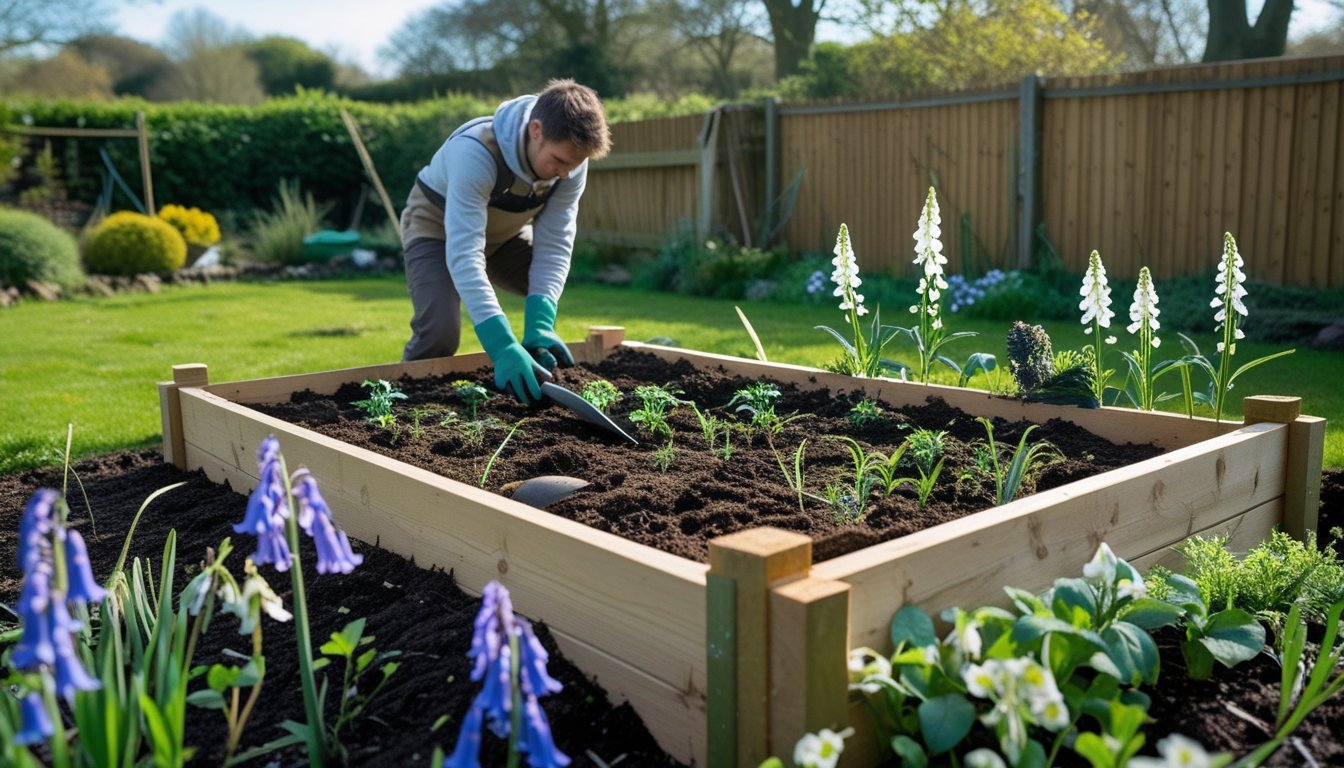
When setting up a raised bed, selecting materials and planning the bed's layout are key. Whether using oak sleepers or repurposed timber, it's important to choose sustainable options that suit your budget and aesthetics. Filling the bed with a well-balanced soil mix will provide the nutrients necessary for native plants to thrive throughout the year, creating a dynamic ecosystem.
Constructing a raised bed doesn't only enhance your garden’s biodiversity but also makes gardening more accessible. With thoughtful preparation, these beds can transform even small spaces, ensuring that we can enjoy the beauty and resilience of native plants right at our doorstep.
Key Takeaways
- Raised beds improve soil and growth conditions for native plants.
- Selecting the right materials and layout ensures sustainability.
- Proper soil and maintenance foster biodiversity in small spaces.
Planning and Constructing a Raised Bed for Native UK Plants
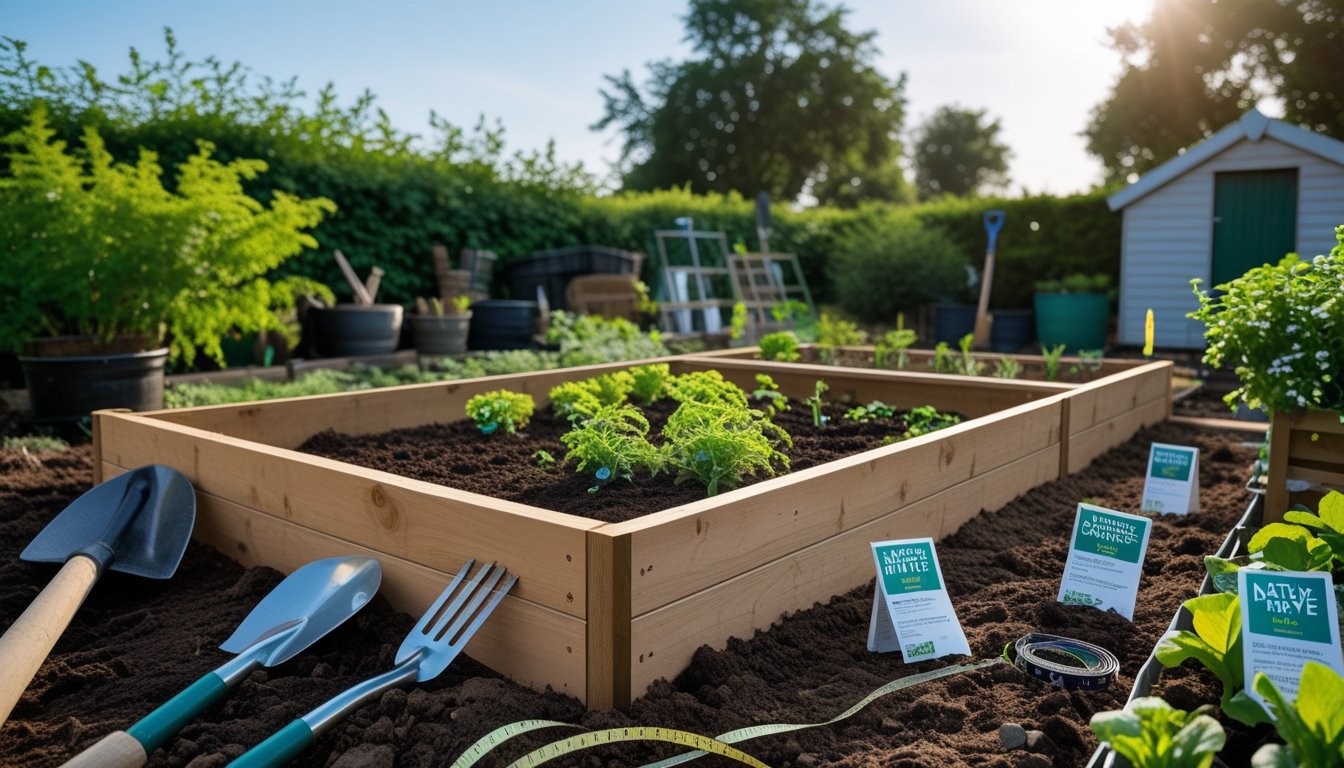
Creating a raised bed for native UK plants requires careful planning and selection of suitable materials. This involves identifying the best location for sunlight and drainage, choosing robust materials, and deciding on the optimal size and structure for supporting diverse plant life.
Choosing the Ideal Site and Bed Orientation
When planning the location, we must consider factors such as sunlight, drainage, and wind exposure. Ideally, the raised bed should receive six to eight hours of sunlight per day, so orienting it north-south can maximise sunlight exposure. Drainage is crucial, particularly in the UK climate with its frequent rains. To ensure good drainage, a slight slope away from structures can be advantageous. Wind protection is also important; placing the bed near hedges or fences can help. Avoid low-lying areas where water accumulates, which can lead to root rot in plants.
Selecting Materials for Construction
For durability and aesthetics, the right materials are essential. Pressure-treated timber is a popular choice due to its resistance to decay and pests. Alternatively, engineering bricks or galvanised steel can offer long-lasting support and withstand harsh weather. The material choice may influence the overall look of the garden, so it should complement the surrounding environment. Whatever materials we choose, ensuring they are safe for plants and free from harmful chemicals is paramount. Consider using recycled materials if sustainability is a priority, which can also keep costs down.
Determining the Right Size and Depth
The size and depth of the raised bed should reflect the type of plants we aim to grow. For native UK plants, which can range from small perennials to larger shrubs, a depth of at least 20-30 cm is necessary. This depth supports root growth and provides adequate space for healthy development. The width should allow easy access; typically, beds no wider than 1.2 metres mean we can reach the centre without stepping on the soil, preventing compaction. The length is flexible, depending on space available, but consistency with other garden features is often desirable for a cohesive look.
Essential Tools and Safety Considerations
Constructing a raised bed requires some basic tools. A spade, saw, and drill are fundamental for cutting and securing materials. We must also have a level for ensuring even construction and gloves for protection. Safety is a priority; wearing protective eyewear and securing power tool leads is advisable. Planning for cleanup ensures an organised space; keeping tools in a wheelbarrow for easy access reduces clutter. Additionally, having a first-aid kit nearby can help address any minor injuries swiftly. Prioritising safety ensures the building process is both efficient and accident-free.
Filling and Preparing Your Raised Bed
To create a flourishing raised bed, it's crucial to focus on building a rich soil mix, enhancing drainage with organic matter, and considering the specific needs of native UK plants. Each of these aspects ensures the bed supports healthy plant growth and ecosystem balance.
Creating an Optimal Soil Mix
Developing an effective soil mix for your raised bed involves combining topsoil, compost, and other amendments. We should aim for a mix with a balanced pH and sufficient nutrients to sustain a variety of native plants. Using a blend of 50% topsoil and 50% organic matter, like compost or well-rotted manure, provides a nutrient-rich base. Topsoil supplies essential minerals and structure, while compost enhances nutrient availability and moisture retention. We must also ensure the soil is light and well-aerated to encourage root growth and microbial activity. Adding materials like perlite or vermiculite can further improve aeration. This foundation will lead to a thriving bed with robust plants.
Incorporating Organic Matter and Drainage
A key step in preparing a raised garden bed is integrating organic matter and ensuring proper drainage. Organic matter such as compost or leaf mould plays a crucial role in improving soil structure and fertility. For drainage, consider a layered approach reminiscent of hugelkultur. At the base, lay small branches or wood chips to facilitate water movement. This method prevents waterlogging while gradually breaking down to enrich soil fertility. By layering organic materials, we create a sustainable nutrient cycle that reduces the need for external inputs. Attention to drainage is vital for preventing root rot and promoting a healthy growing environment for the diverse array of native UK plants.
Special Considerations for Native UK Plant Species
When focusing on native UK plant species, it’s essential to replicate their natural growing conditions as closely as possible. Native plants often thrive in specific soil types and pH levels found in their natural habitats. Knowing the preferred conditions for species such as bluebells or foxgloves can guide adjustments to our soil mix. Additionally, native species support local wildlife, attracting beneficial insects and providing habitat. This enhances the ecological value of our garden. Attention to detail in soil preparation, appropriate planting techniques, and moisture management ensures that the unique needs of these plants are met, thus promoting biodiversity in our raised garden beds.
Frequently Asked Questions

We address some common queries regarding the setup and care of raised beds tailored for native UK plant species. This includes dimensions, materials, and specific plant recommendations.
What are the ideal dimensions for a raised bed dedicated to UK native plants?
Raised beds for UK native plants should typically measure around 1.2 metres wide. This width ensures easy access from either side without stepping on the soil. Length can vary based on available space, but a standard 2.4 metres is generally effective.
Which materials are most suitable for constructing a raised bed in a UK garden?
Timber, especially untreated wood like larch or oak, is a popular choice due to availability and suitability for the UK climate. Reclaimed bricks or stones are also good alternatives for a more permanent structure.
How should I prepare the soil in a raised bed for native UK plant species?
It's crucial that we select a soil mix compatible with local flora. A blend of loamy garden soil enriched with compost will often serve well. Topping with a mulch layer can help retain moisture and suppress weeds.
Can you recommend a selection of native UK plants that thrive in raised beds?
Several native species flourish in raised beds, including wild marjoram, primroses, and field scabious. Additionally, hedgerow roses and foxgloves can add height and variety to your planting scheme.
What considerations should be taken into account for drainage in raised beds for UK native plants?
Ensuring proper drainage is key; lining the base with coarse gravel or broken pottery can aid in water management. This is particularly important in regions with heavy rainfall typical of the UK.
How often should native UK plants in a raised bed be watered and fertilised?
Watering needs will change with the seasons, but generally, once or twice a week during dry spells is sufficient. Fertilising twice a year, ideally in spring and late summer, helps support plant health, using a balanced, all-purpose fertiliser.